Probate is the court-supervised settling of a person's estate after death. The court checks whether the document offered as a will is valid, puts an executor or an administrator in charge, and watches as debts are paid and remaining property changes hands. The process runs in state court, and each state writes its own rules for it. The name covers the whole case, from the first filing to the final order that closes it.
Probate matters beyond estate planning: it decides who may act for the deceased, which claims get paid, and on what timetable. Readers can compare it with what a default judgment does in a civil case, another process that runs on paperwork before any hearing. More explainers sit in the justice section.
What is probate?
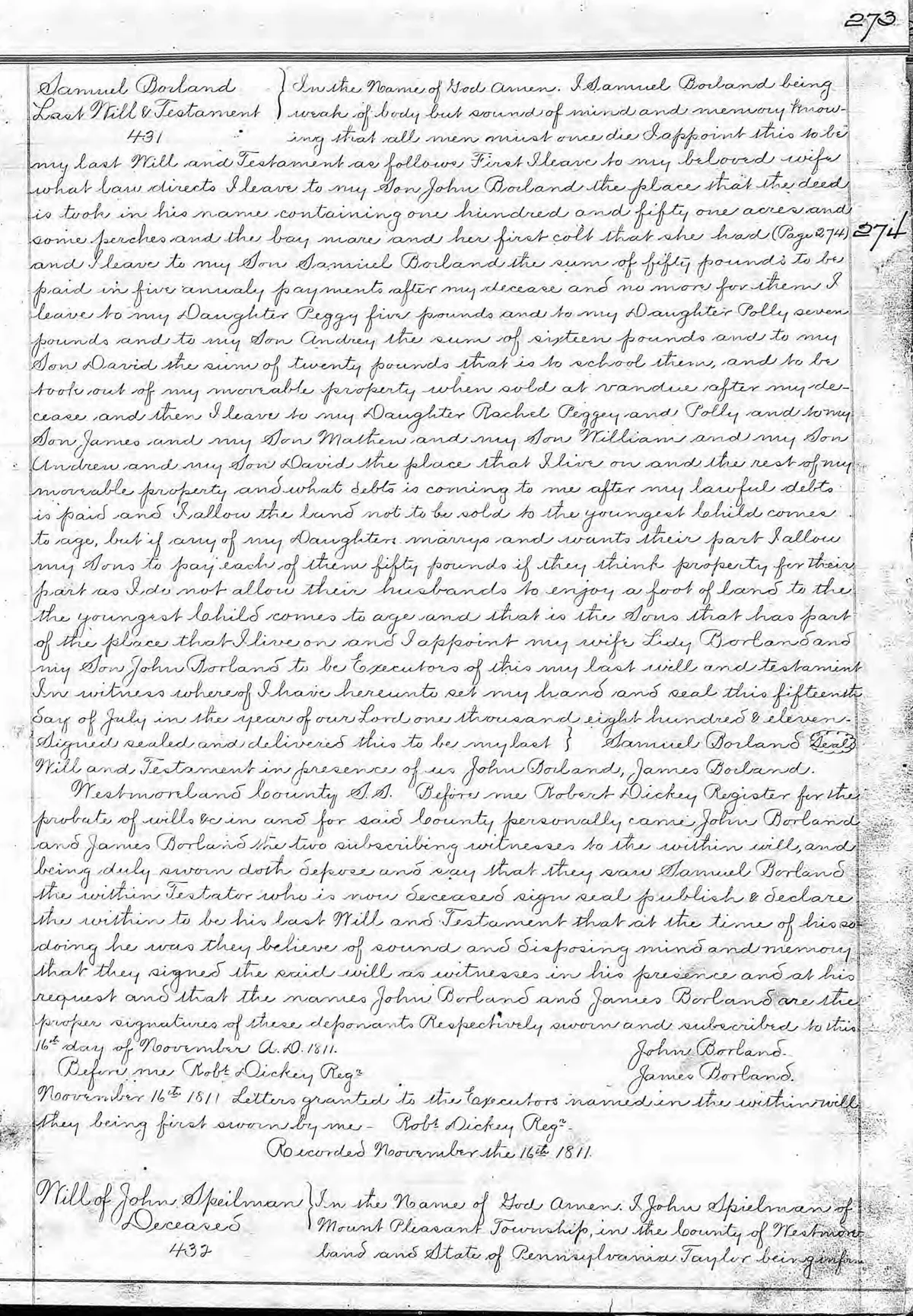
Probate is the judicial process by which a court proves that a document offered as a will is genuine. Cornell's Legal Information Institute lists the checks that validation requires: the person who made the will had the capacity to make it, no fraud, duress, or undue influence shaped it, and the state's execution rules, such as signing and witnessing, were met.
When a person dies with no valid will, state intestacy statutes supply the default plan. The court appoints an administrator instead of an executor, and statutes, not a document, decide who inherits.
What does the court do during probate?
The case opens in the probate court of the county where the person lived. Notice runs through the whole case: known creditors get direct word, and unknown ones are reached through a published notice. The judge admits the will, or finds none that qualifies, and issues papers that let the executor act for the estate. From there the executor gathers assets, gives notice to creditors, pays valid claims and final taxes, and files an inventory and an accounting with the court.
The order of payments is the core of the process. Creditors rank ahead of beneficiaries, and the court releases property to heirs only after the claims are resolved. An executor who pays family first and a tax claim later answers to the judge for the shortfall.
When does an estate owe federal estate tax?
Most estates owe nothing, because the tax applies only above a floor that the IRS resets by year of death. The agency's estate tax page lists a basic exclusion amount of $13.61 million for deaths in 2024 and $15 million for deaths in 2026. Property valued under that floor owes no federal estate tax, whatever the state probate court decides.
Married couples have a carryover option. Beginning January 1, 2011, per the same IRS page, an estate may elect to pass a dead spouse's unused exemption to the survivor on a timely filed return, which is why some large estates still file even when no tax is due. Readers following this should also see Juvenile life without parole: shrinking, but still on the books in half the states.
What passes outside probate?
Probate reaches property a person owned alone, with no payable-on-death instruction attached. Joint tenancy sends a house or an account straight to the co-owner. Life insurance and retirement accounts pay the named beneficiary under the contract. Property titled to a living trust follows the trust document instead of a court order. A person can hold most of a life's value in these forms, which is why planners look at titling first.
These transfers explain why an estate can feel half-settled before any filing: much of the money has already moved by contract. The probate estate is the remainder, and that remainder is what the court supervises.
Conclusion: a public handoff with a fixed order
Probate turns a death into a supervised transfer of property. The court proves the will or applies the statutory defaults, an executor pays debts in the order the law sets, and heirs receive what remains. Federal tax touches only estates above the exclusion floor. The paperwork is the price of clean title, and the sequence protects creditors before beneficiaries. This connects to our earlier piece, How federal compassionate release works, and what the Supreme Court just narrowed.