
Topic
Equality of opportunity: what it means and why it matters
The idea promises everyone a fair starting line. The argument is over where the line sits and who measures it.
The idea promises everyone a fair starting line. The argument is over where the line sits and who measures it.

About 7,000 to 8,000 petitions reach the Supreme Court each Term and roughly 80 get argument; the path runs from certiorari petitions to 30-minute arguments, private conferences, and written opinions.

Business credit files grow from payment records vendors report to bureaus like Dun & Bradstreet, Experian, and Equifax, then scored and read by lenders.

The First Amendment binds government rather than private companies, per the National Archives and Cornell's Legal Information Institute, and courts treat several speech categories as unprotected.
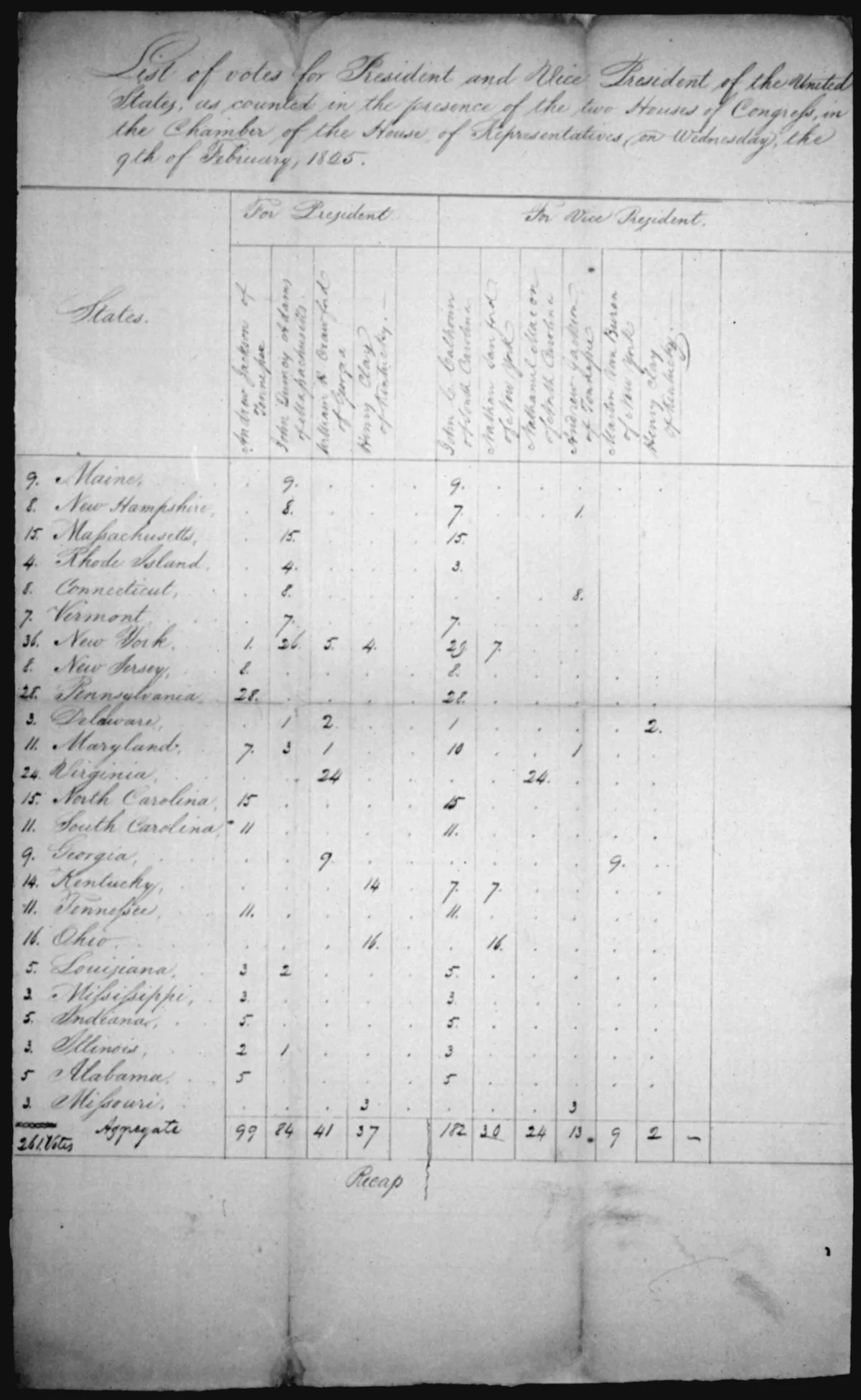
The electoral college elects the president through 538 electors, and 270 electoral votes decide the winner. Each state's share follows its congressional delegation under the current census.
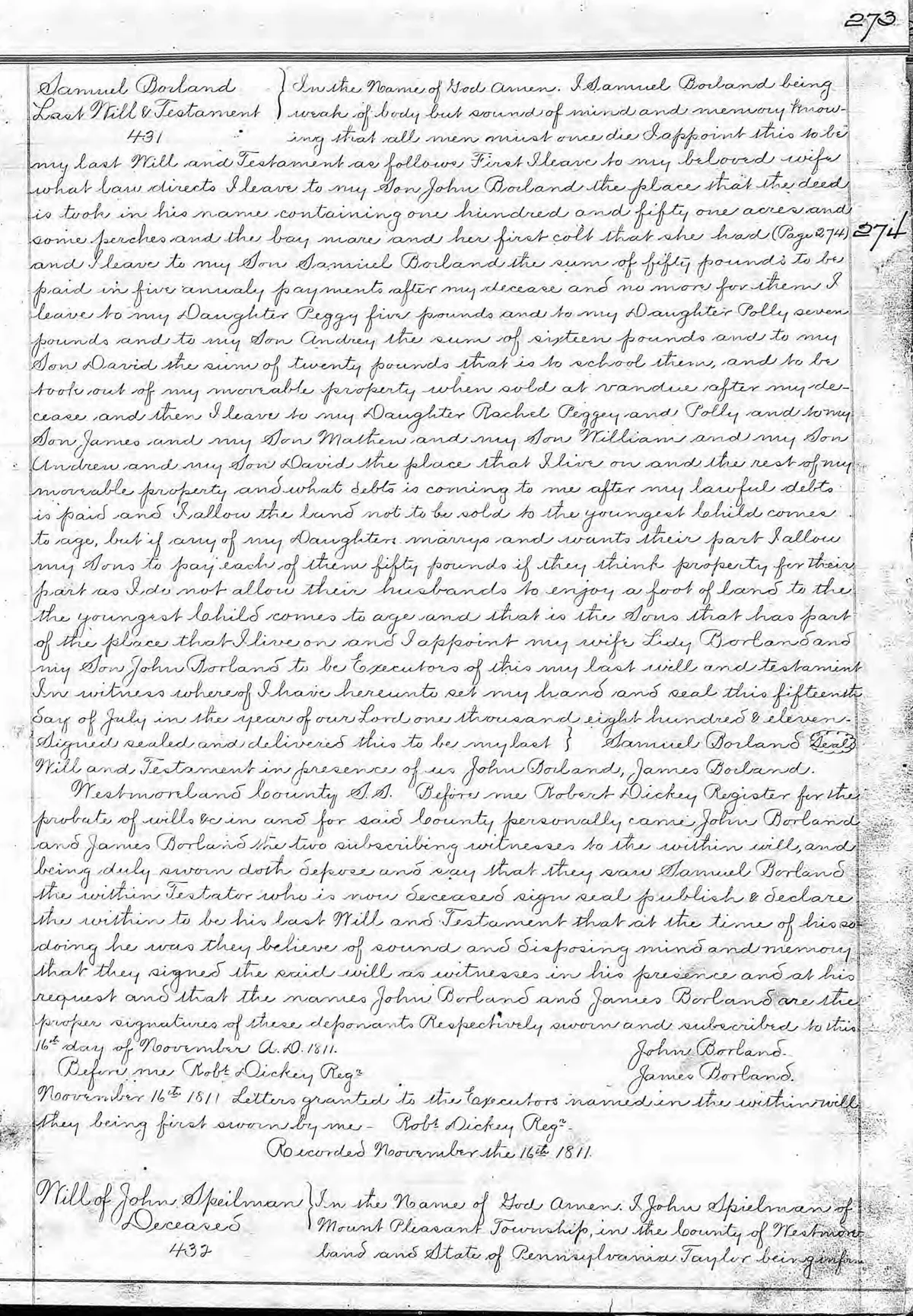
Probate is the court-supervised settling of a person's estate after death: the court validates the will, an executor pays debts, and heirs receive what remains.

A growing company maps insurance to exposure: the SBA's six common policy types, state workers' compensation rules that differ by state, and a comparison habit that keeps coverage in step with headcount and assets.

Consent, not prohibition, is the legal default in most places. Here is where the line sits, and which tools actually move it.

A restitution order is entered at sentencing, but collecting it is a separate fight — and full recovery is rare.
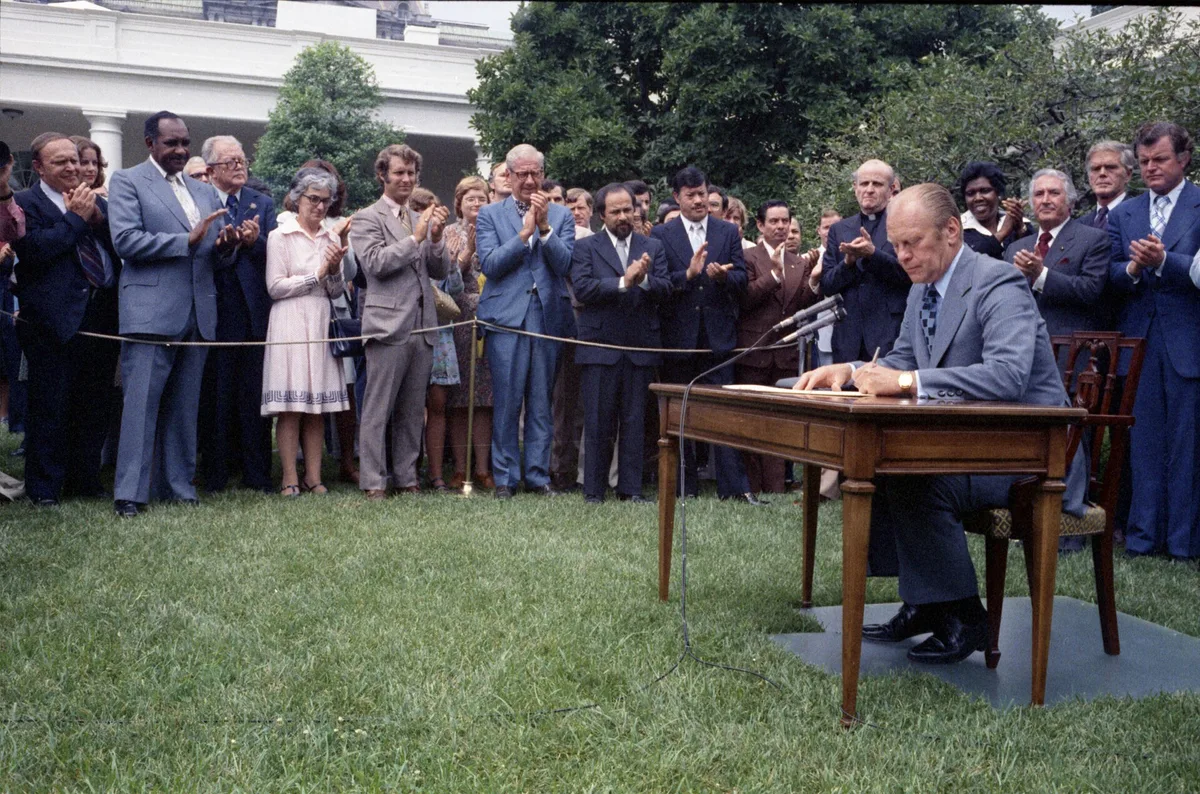
Registration deadlines, early voting windows, and polling place rules, explained in plain words from official state election sources.