The electoral college elects the president through 538 electors, and 270 electoral votes decide the winner, according to the National Archives. Each state holds one elector for each member of its congressional delegation: one for each House seat plus two for its senators. The District of Columbia holds three under the 23rd Amendment.
The count comes late in a longer sequence. A companion explainer on how elections work from primaries to the polls covers the stages before it. Ongoing reporting on civic systems runs in the society section.
How are the 538 electoral votes divided?
Each state's share equals the size of its congressional delegation, and the 23rd Amendment adds three for the District of Columbia. The Archives allocation table rests on the 2020 Census and applies to the 2024 and 2028 presidential elections. California draws 54 votes, while the smallest states hold 3.
Having the electoral college explained starts with that arithmetic. Delegation size sets each state's weight in the count, and every census can move electors between states, because House seats follow population. The numbers now on the books run through the 2028 election.
When do electors vote, and how?
Electors meet in their states on the first Tuesday after the second Wednesday in December after the general election. There they cast separate ballots for president and vice president, according to the National Archives. Most states use a winner-take-all rule that gives all electors to the candidate who wins the state's popular vote.
Maine and Nebraska appoint electors by congressional district instead, plus two at-large by statewide winner. Each has split its vote twice: Nebraska in 2008, Maine in 2016, and both in 2020, as the Archives records. The winner-take-all states, by contrast, have no split to record.
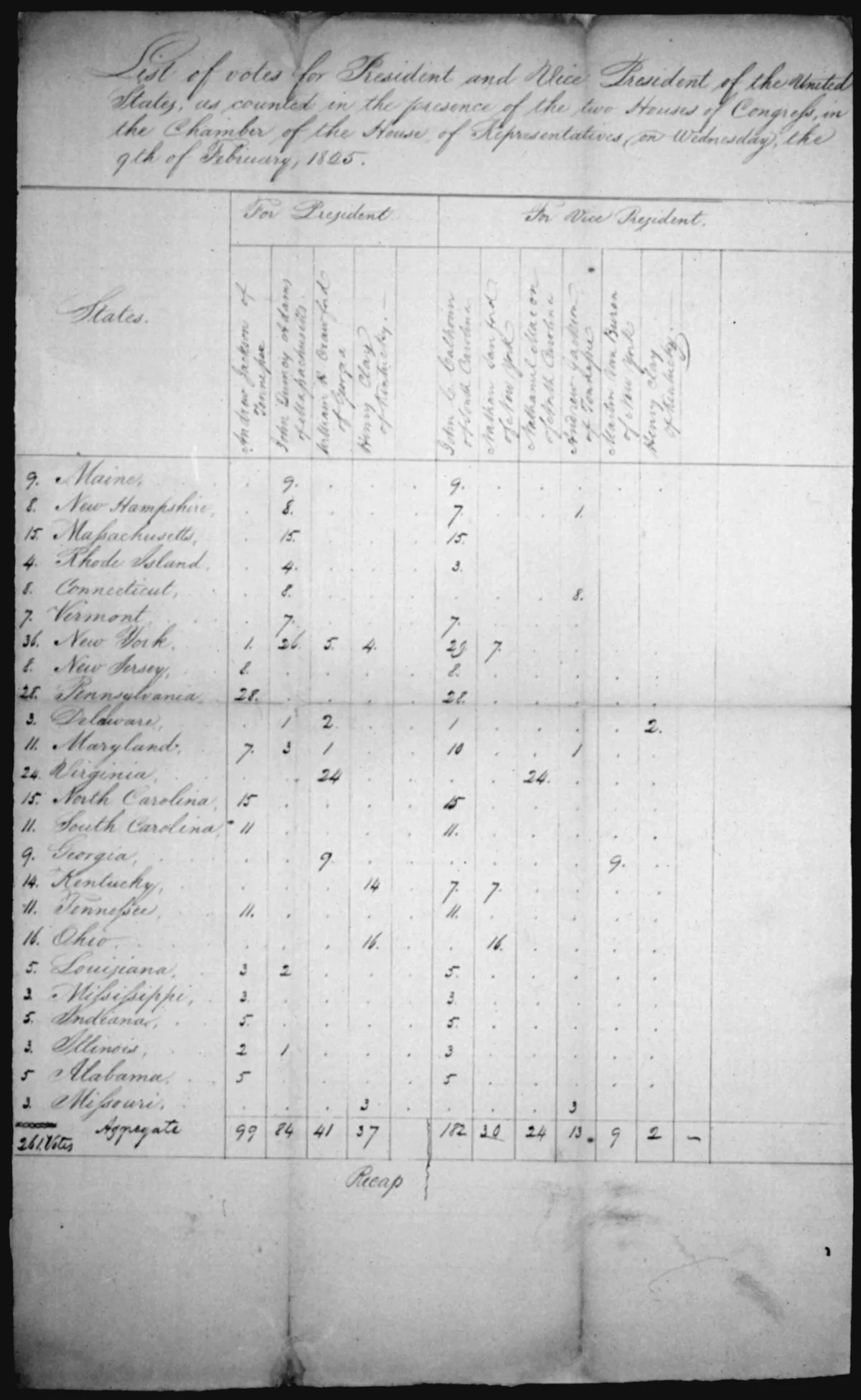
The ballots follow a fixed form. The 12th Amendment directs electors to name the president and the vice president in distinct lists. The electors sign and certify the lists and send them sealed to the seat of government.
What happens if no candidate reaches 270?
The 12th Amendment sends the choice to the House of Representatives. The House picks the president by ballot from the top three vote-getters, and the votes are taken by states, with each state's delegation casting one vote. The Senate chooses the vice president from the two highest candidates if no majority exists. A quorum of two-thirds of the states is needed for the House to act, and a majority of all the states is needed to choose.
The same amendment sets the counting stage for ordinary years. Congress tallies the electoral votes in a joint session. The Archives places that count on January 6 after the electors' meeting, with the vice president presiding in a ministerial role.
Why does the system exist?
The National Archives describes the college as a process written into the Constitution, in part, as a compromise. The compromise ran between election of the president by Congress and election by a popular vote of qualified citizens. Three stages make up the process: selection of the electors, their December meeting, and the counting of electoral votes by Congress. At the end of the count, the president of the Senate declares which persons, if any, have been elected. For related coverage, see What qualified immunity covers, and where it stops.
The design keeps the state as the unit of choice. That is why the arithmetic follows delegation size, census results, and state law rather than a single national tally.
Conclusion: fixed numbers, one census at a time
An electoral college explained through its records comes down to arithmetic and calendar. There are 538 votes, and 270 win. Electors meet in December and cast separate ballots; Congress counts them in January. States shape the result through winner-take-all rules or the district plans of Maine and Nebraska. The allocation refreshes after each census, and the current figures run through the 2028 election. This connects to our earlier piece, Eviction records follow tenants for years. More states are sealing them.