Topic
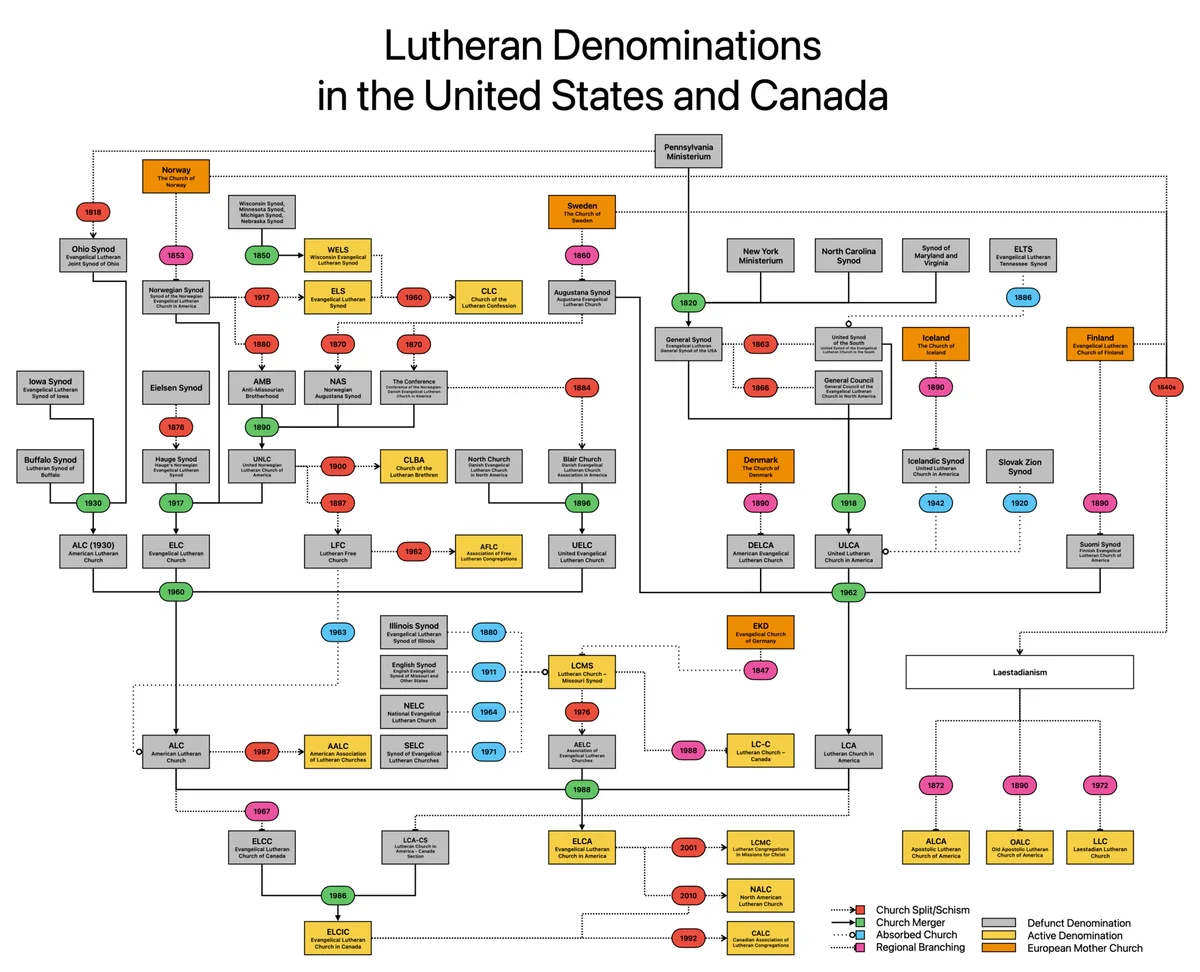
Religion in America statistics: how surveys track a shifting picture
Affiliation patterns are changing, and the way researchers count them shapes what public institutions see.
Affiliation patterns are changing, and the way researchers count them shapes what public institutions see.
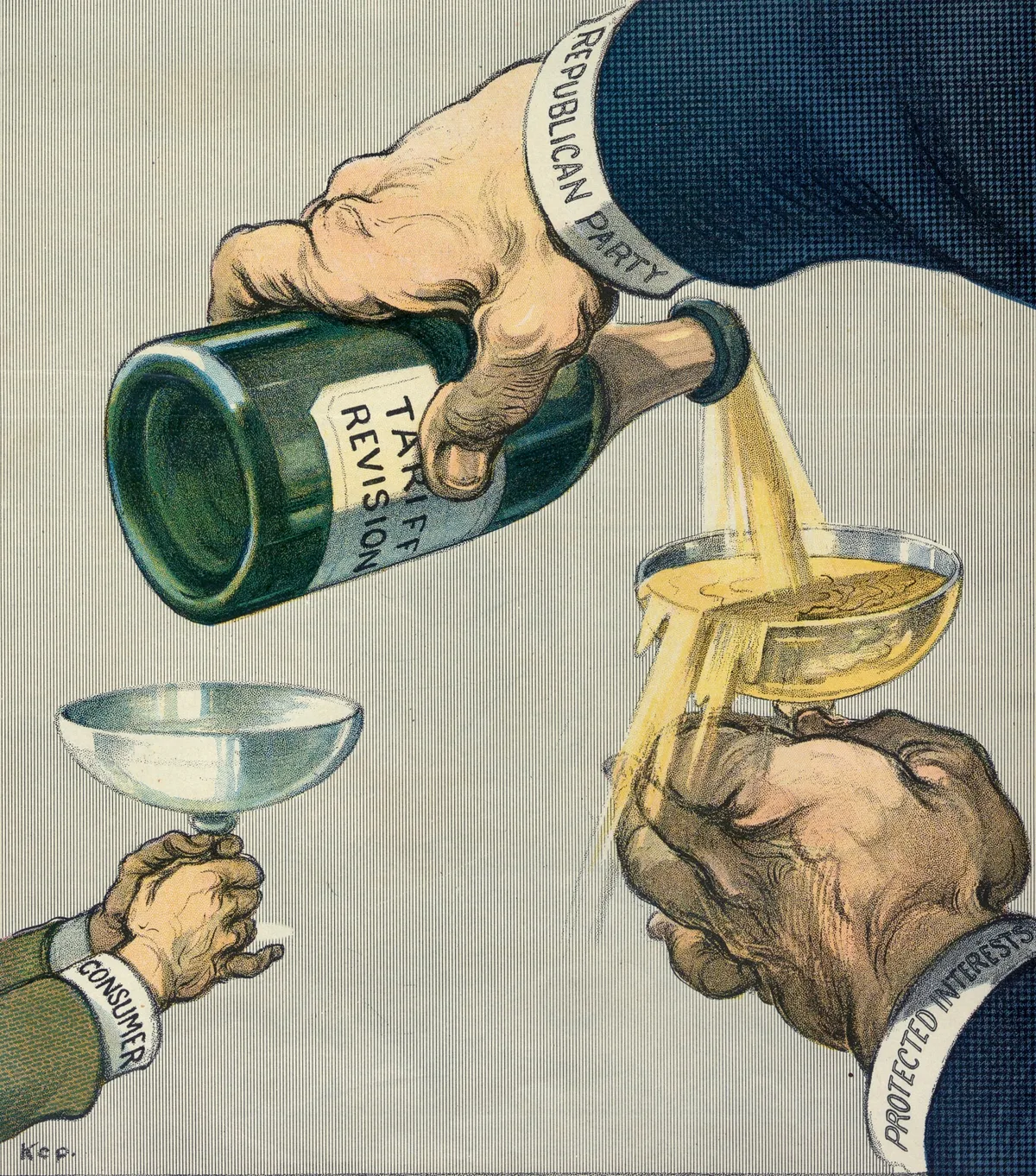
A tariff is a tax a government places on imported goods, paid by the importer. Here is who wins, who loses, and why prices move when tariffs change.
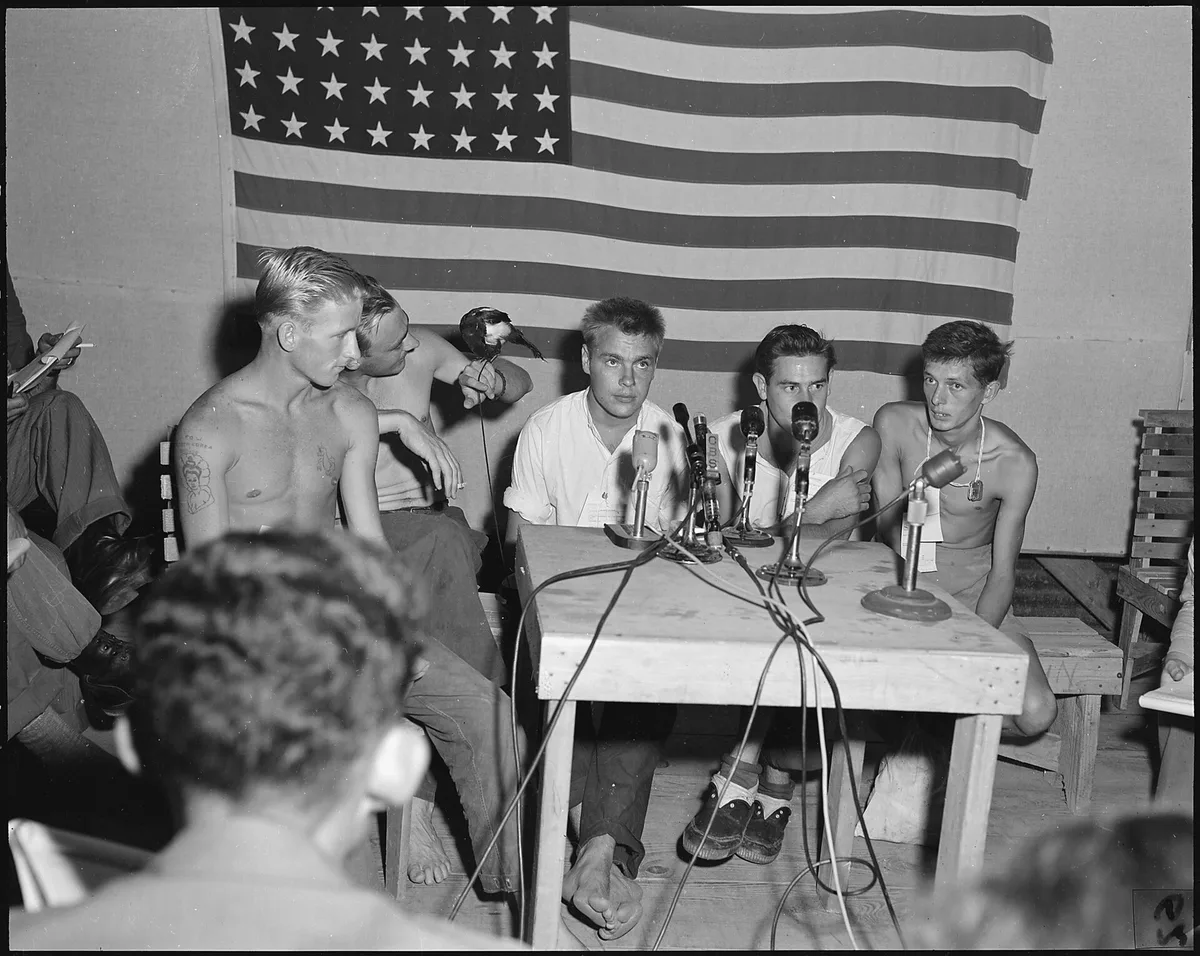
Press freedom differs sharply from one country to the next. This guide explains what it means, how it is measured, and how nations compare.

Three quiet rules — a car, a zoning code, an attendance line — decide where American neighborhoods grow.
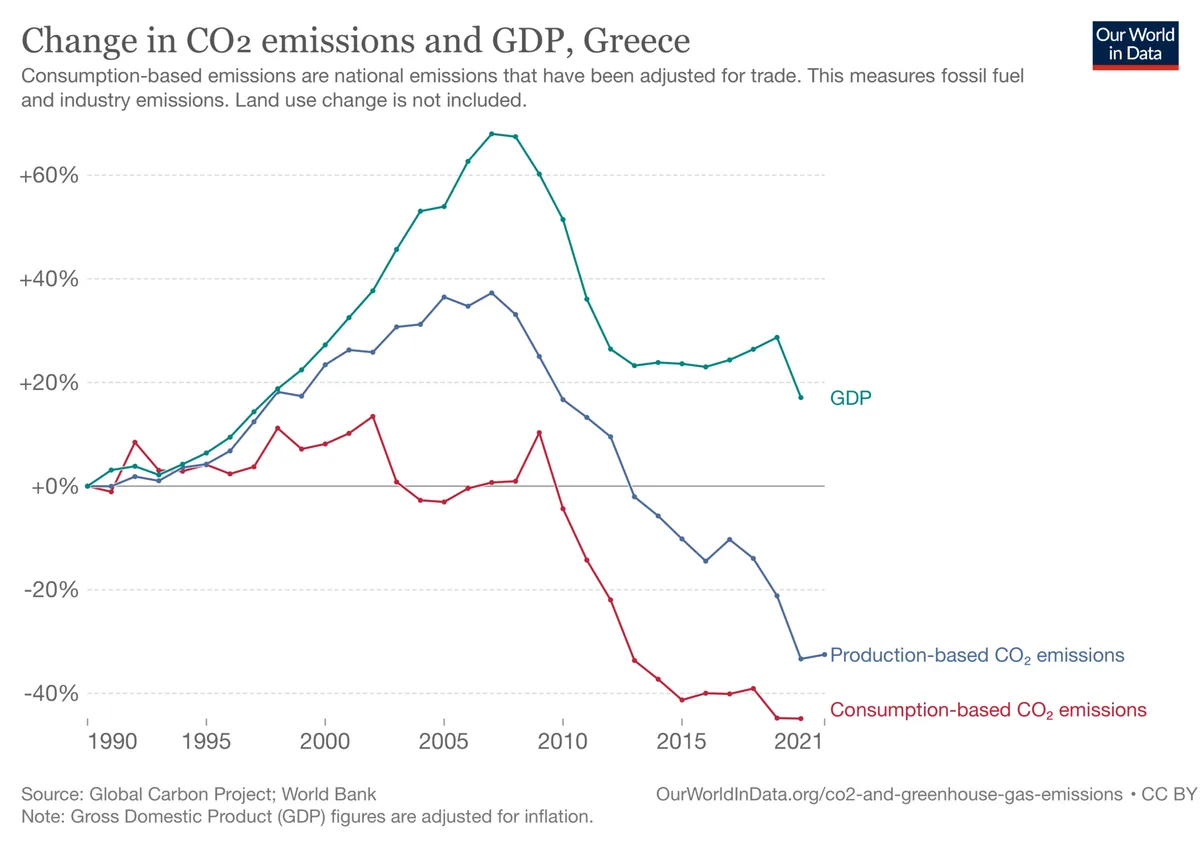
GDP is the standard yardstick of economic growth, but it has blind spots. This guide explains what it measures and what it leaves out.

Consent, not prohibition, is the legal default in most places. Here is where the line sits, and which tools actually move it.

A restitution order is entered at sentencing, but collecting it is a separate fight — and full recovery is rare.
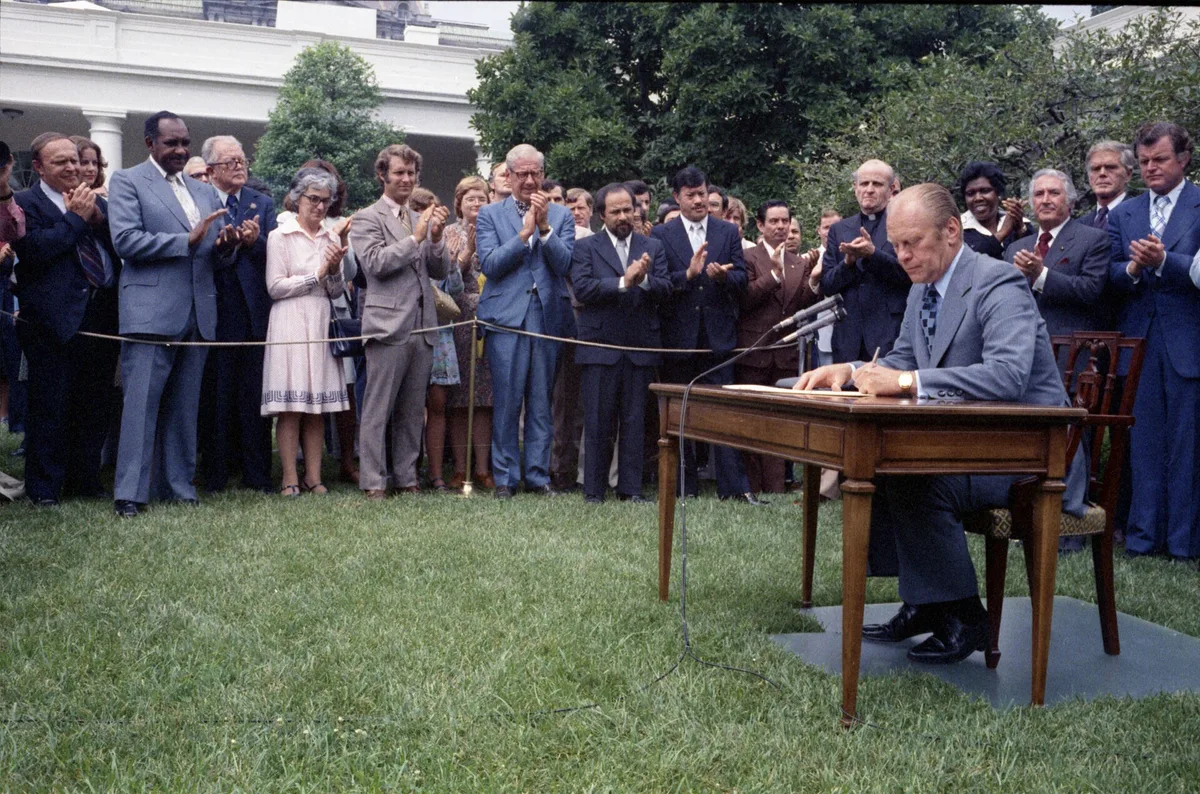
Registration deadlines, early voting windows, and polling place rules, explained in plain words from official state election sources.

What you actually pay for, what you keep paying, and what the record shows about who profits.
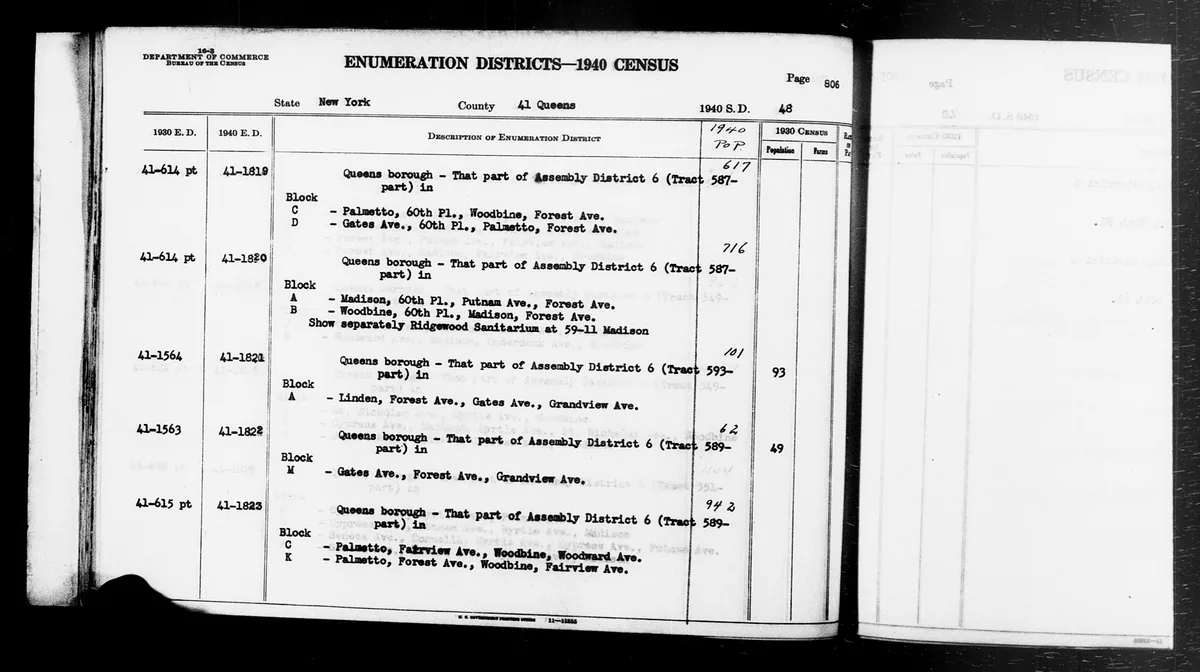
A once-a-decade headcount, plus quieter yearly surveys, decide where money, seats and services flow.