
Topic
What the First Amendment does and doesn't cover
The First Amendment binds government rather than private companies, per the National Archives and Cornell's Legal Information Institute, and courts treat several speech categories as unprotected.
The First Amendment binds government rather than private companies, per the National Archives and Cornell's Legal Information Institute, and courts treat several speech categories as unprotected.
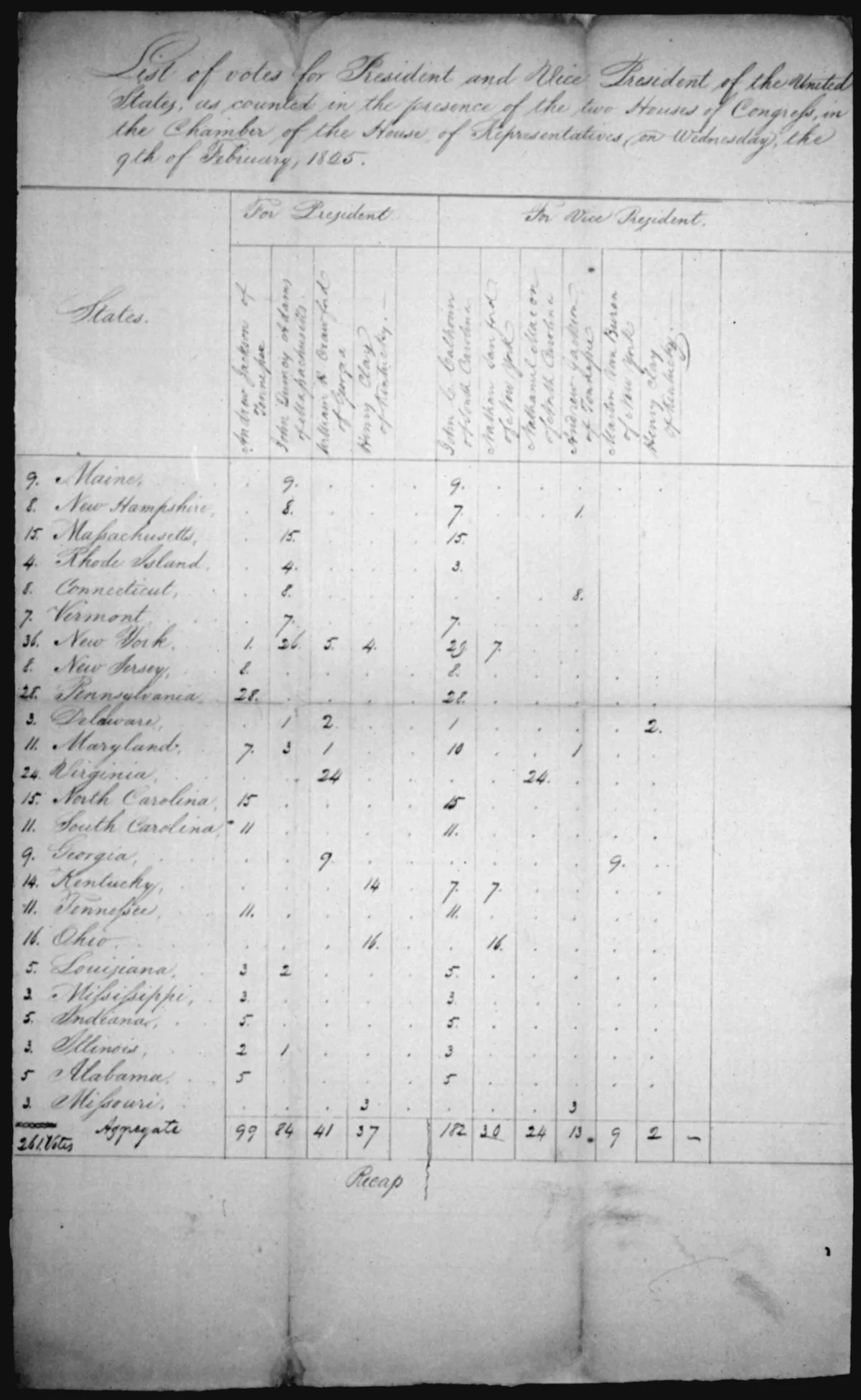
The electoral college elects the president through 538 electors, and 270 electoral votes decide the winner. Each state's share follows its congressional delegation under the current census.

A New Jersey county's new lawsuit is the latest test of whether state courts can hear climate deception cases at all.
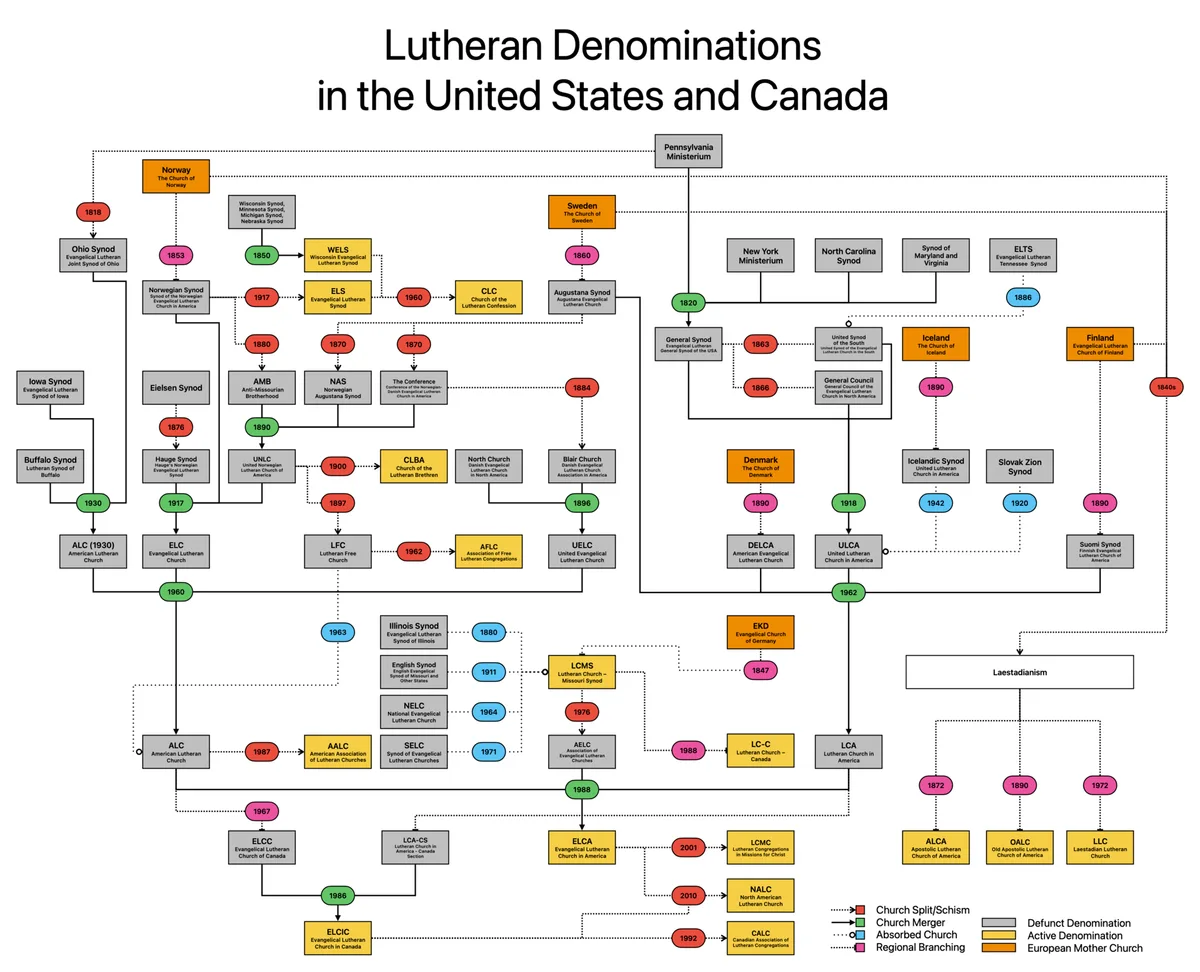
Affiliation patterns are changing, and the way researchers count them shapes what public institutions see.
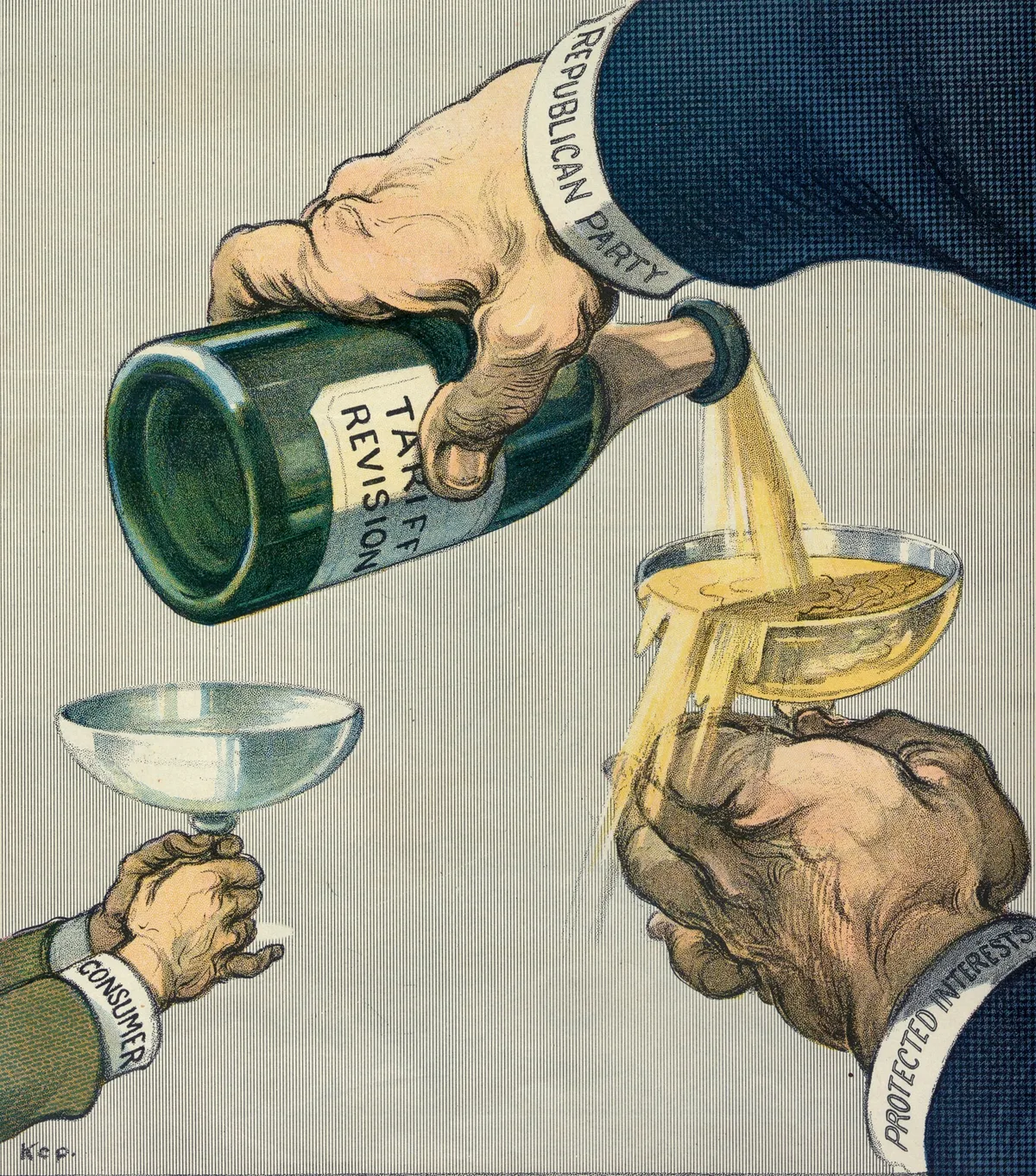
A tariff is a tax a government places on imported goods, paid by the importer. Here is who wins, who loses, and why prices move when tariffs change.
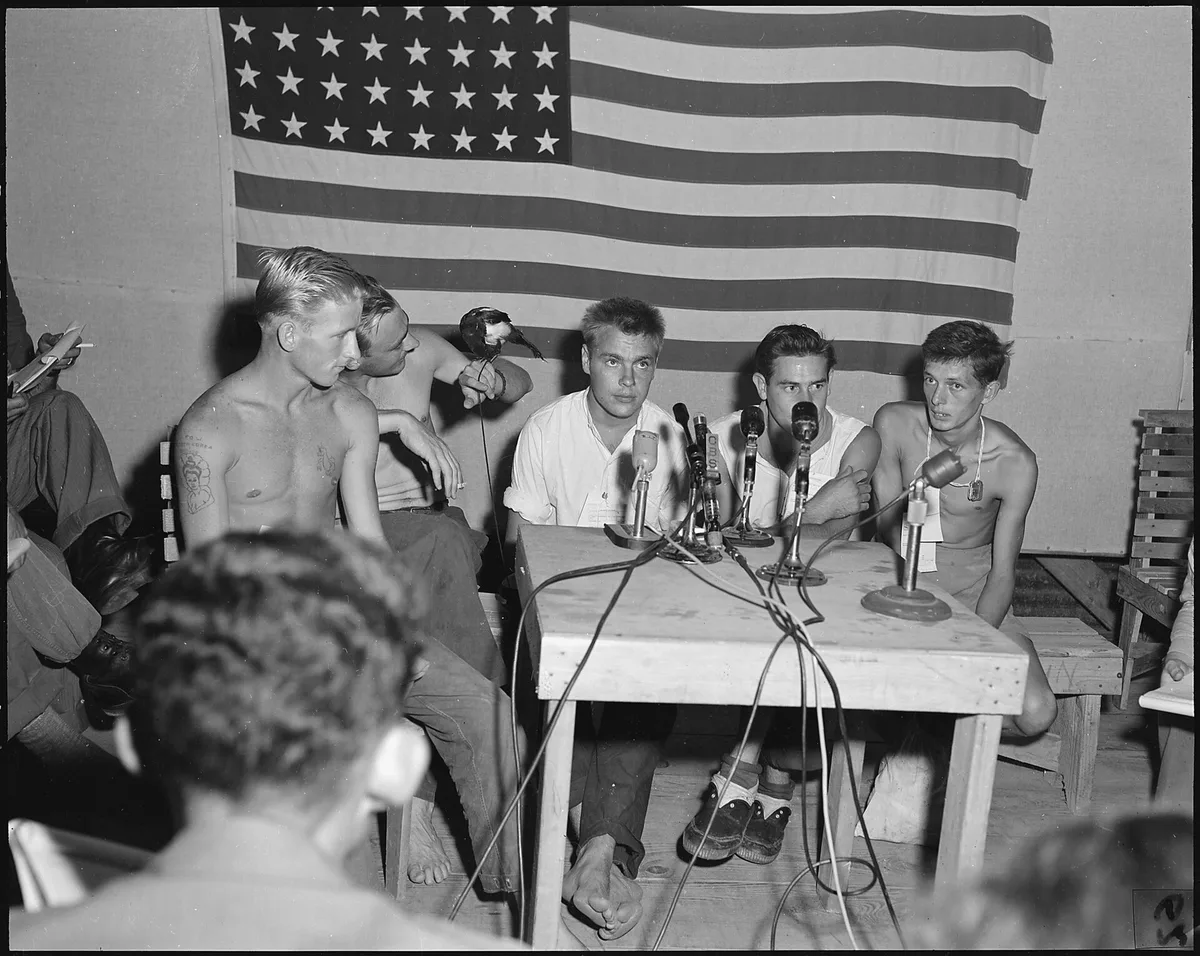
Press freedom differs sharply from one country to the next. This guide explains what it means, how it is measured, and how nations compare.

Three quiet rules — a car, a zoning code, an attendance line — decide where American neighborhoods grow.
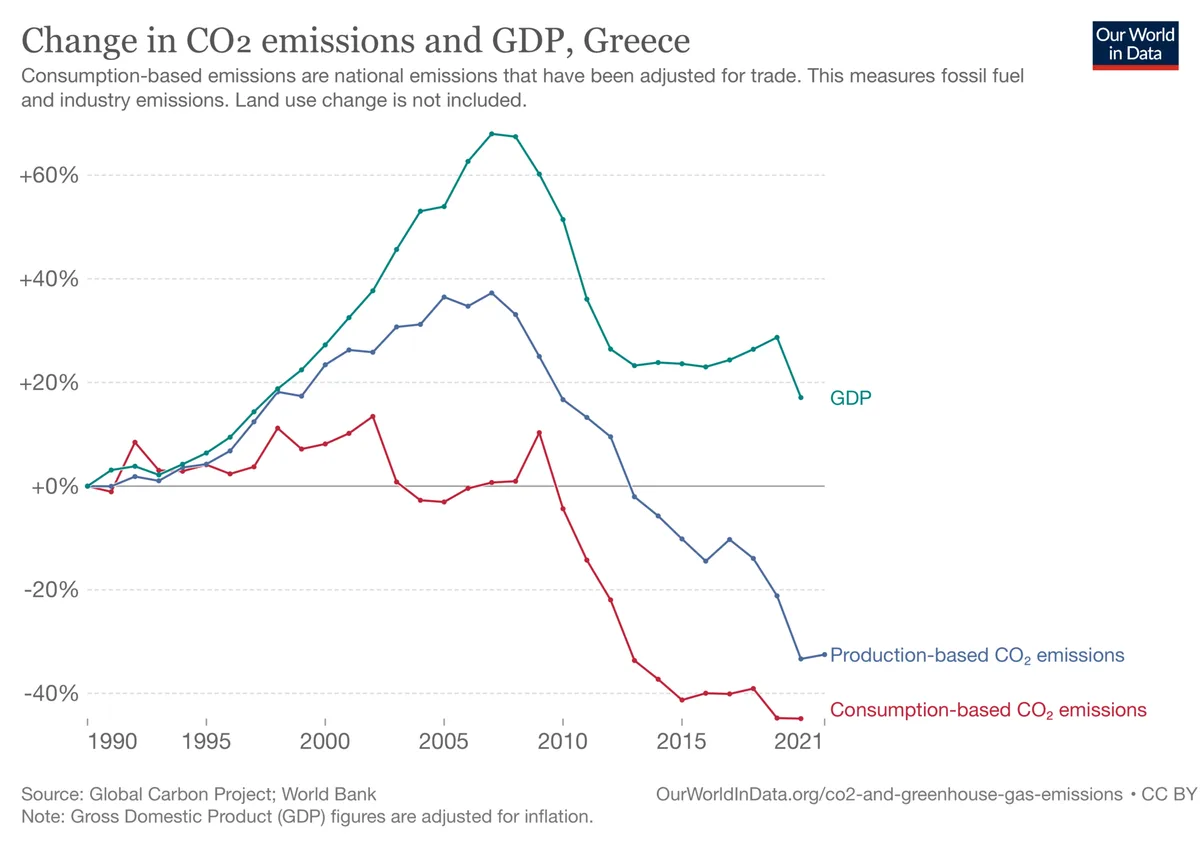
GDP is the standard yardstick of economic growth, but it has blind spots. This guide explains what it measures and what it leaves out.

Consent, not prohibition, is the legal default in most places. Here is where the line sits, and which tools actually move it.

A restitution order is entered at sentencing, but collecting it is a separate fight — and full recovery is rare.