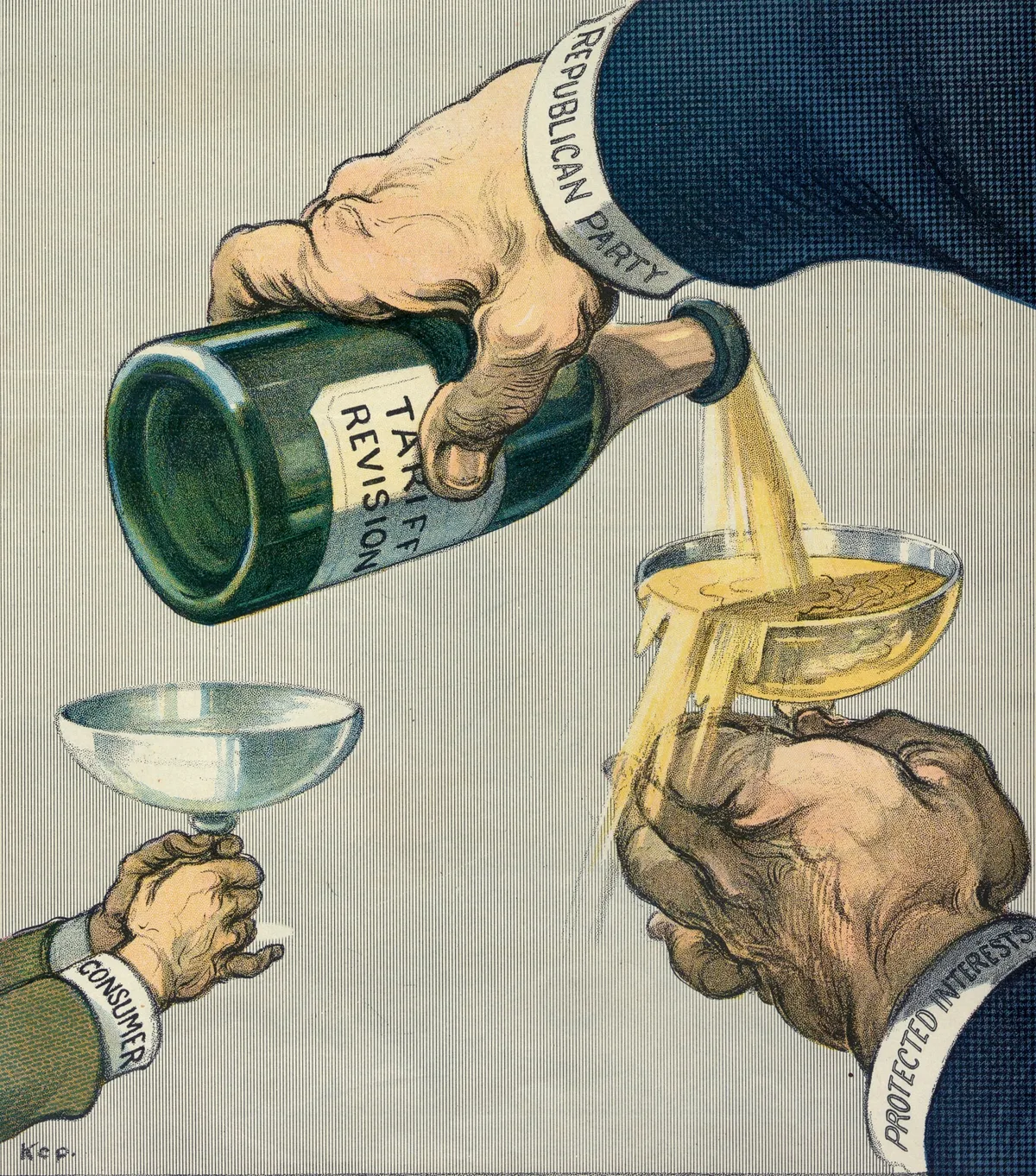
Tariffs are in the news almost every week. Politicians promise them. Trading partners threaten them. Shoppers wonder what they mean for prices. The core idea is old and simple. A tariff is a tax that a government places on goods coming in from another country.
This guide explains how tariffs work. It looks at who gains, who loses, and why prices tend to move when tariffs change. It also visits one famous episode of tariff history that economists still argue about today. Readers following this should also see Equal protection: the clause that decides who may be treated differently.
What a Tariff Actually Is
A tariff is a duty that a national government imposes on imports. It is paid by the importer. In rare cases a government taxes exports instead, and the exporter pays that. Tariffs come in two basic forms. A fixed tariff charges a set sum per unit of goods. A variable tariff changes with the price.
Governments collect tariffs at the border. The money becomes public revenue. But tariffs also shape trade. By raising the price of foreign goods, a tariff nudges buyers toward local products. According to Wikipedia's overview of tariffs, they are meant to reduce pressure from foreign competition and encourage domestic production.
- Protective tariffs aim to shield local industry from foreign rivals.
- Revenue tariffs raise money for the government.
- Some tariffs answer dumping, export subsidies, or currency tricks that push import prices artificially low.
Who Wins and Who Loses
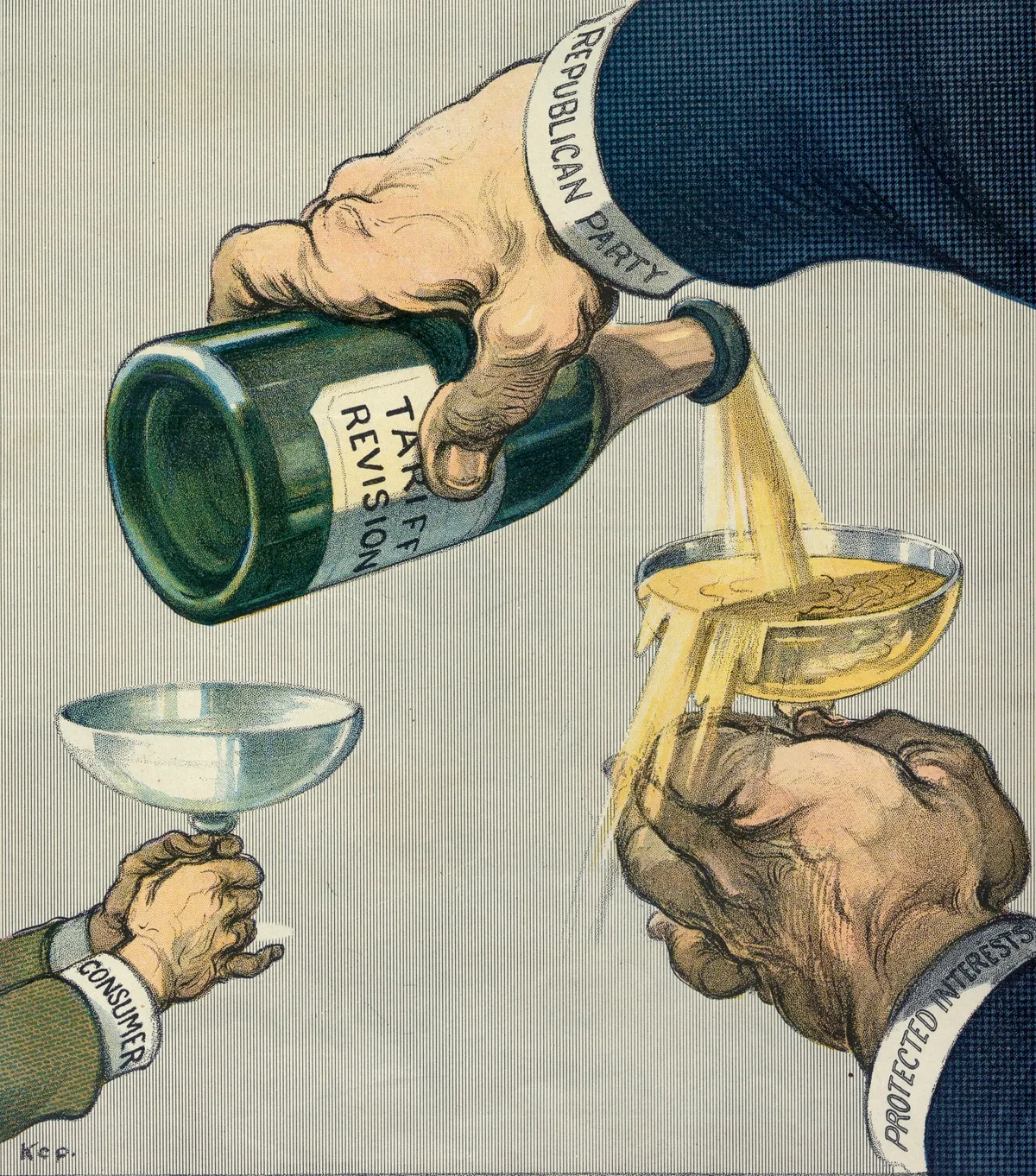
Here is the tricky part. The firm that pays the tariff at the border often passes the cost along. The burden falls on the importer, the exporter, and the consumer. The goal is to raise the price of foreign goods in the country that buys them.
Winners can include protected domestic producers, who face fewer rivals. Losers often include consumers, who pay more. Factories that rely on imported parts can lose too. Rising input costs and retaliatory tariffs can even harm the very industries a tariff was meant to protect.
Economists have studied this for a long time. Wikipedia reports a near unanimous consensus among them. They find that tariffs are self-defeating and tend to hurt growth and welfare. The economist Milton Friedman once joked that a tariff "protects the consumer against low prices."
A Famous Lesson From History
The Tariff Act of 1930 is better known as the Smoot–Hawley Tariff. It is considered one of the most controversial tariff laws ever passed by the United States Congress. It raised the average tariff on dutiable imports from roughly 40 percent to 47 percent. Price deflation then pushed the effective rate to nearly 60 percent by 1932, according to Wikipedia's history of the period.
The timing was terrible. The world economy was sliding into the Great Depression. As trade shrank, other countries built their own barriers. Industrial output fell around the globe. Many analysts blame part of the global crisis on that tit-for-tat spiral.
What This Means for Prices
When a tariff lands, import prices tend to rise first. Stores may pass higher costs to shoppers. Domestic firms that compete with imports may raise prices too. The pressure from cheaper rivals has eased. Exporters can get squeezed when other countries answer in kind. We covered a connected angle in Inflation explained: why prices rise and what it means for you.
There is also a slower effect. Higher input costs can push firms to move production or cut jobs. That is why the winners and losers of a tariff are hard to call in advance. The result depends on who can pass costs on, and who must absorb them.
Conclusion
Tariffs are not just lines in the news. They are taxes with a purpose and a price tag. They can protect some jobs while raising costs for many others. Knowing who pays, and when, makes the next tariff headline much easier to read.
This article is for general education only.