Reporting on courts, prosecutors and oversight bodies, from the filing of a claim to the enforcement of an order. Each piece explains what a judgment decided, what it declined to decide, and how the outcome changes the position of people bringing similar cases. For readers following litigation closely.
Reporting on courts, prosecutors and oversight bodies, from the filing of a claim to the enforcement of an order. Each piece explains what a judgment decided, what it declined to decide, and how the outcome changes the position of people bringing similar cases. For readers following litigation closely.
Petit juries of 6 to 12 people decide cases in private, and a federal criminal verdict must be unanimous under Rule 31. The Supreme Court extended that unanimity rule to state courts in Ramos v. Louisiana on April 20, 2020.
The Fifth Amendment bars a second prosecution for the same crime after an acquittal or conviction, yet the Supreme Court allowed separate state and federal prosecutions in Gamble v. United States in 2019, and a hung jury can still end in retrial.
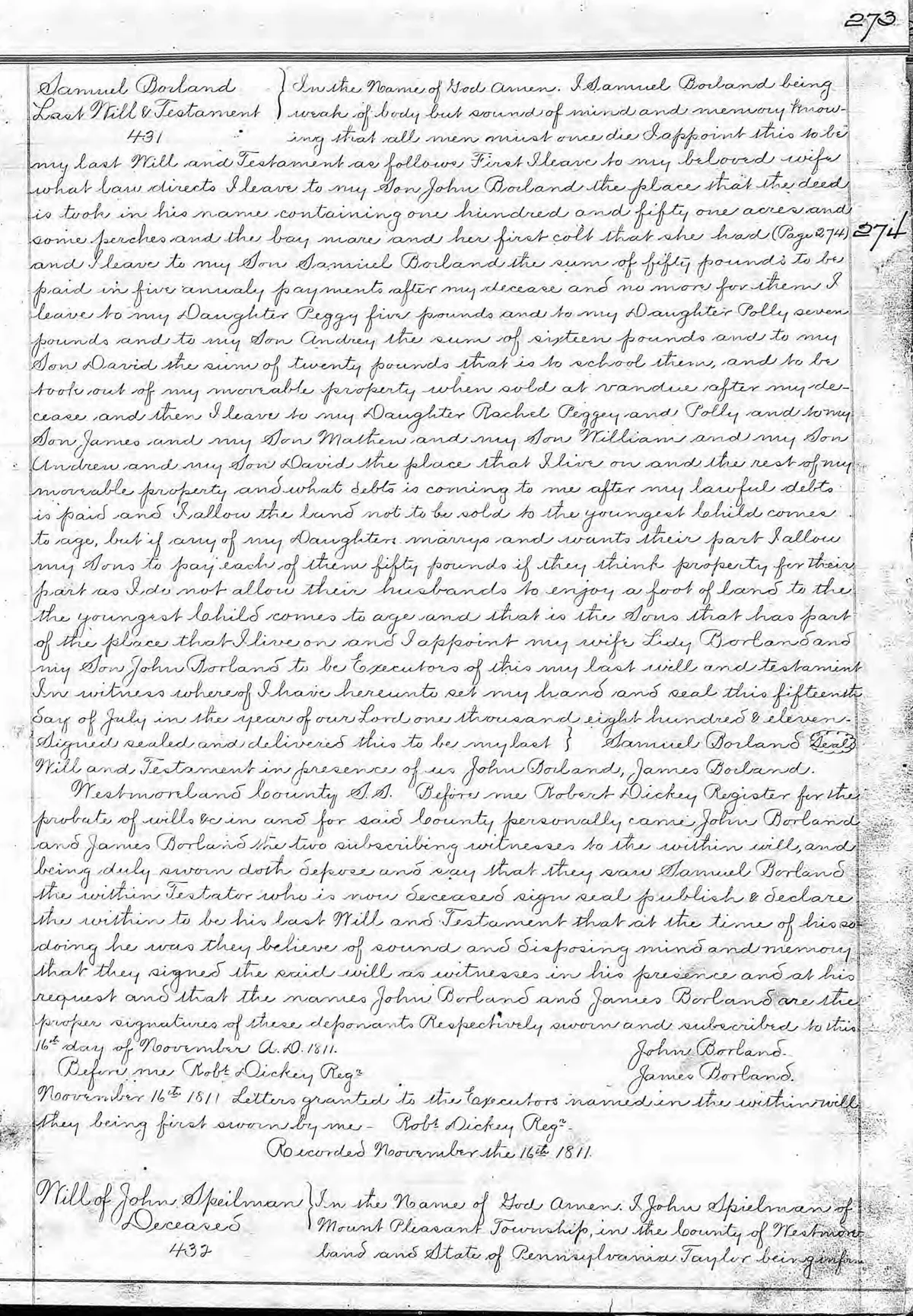
Probate is the court-supervised settling of a person's estate after death: the court validates the will, an executor pays debts, and heirs receive what remains.