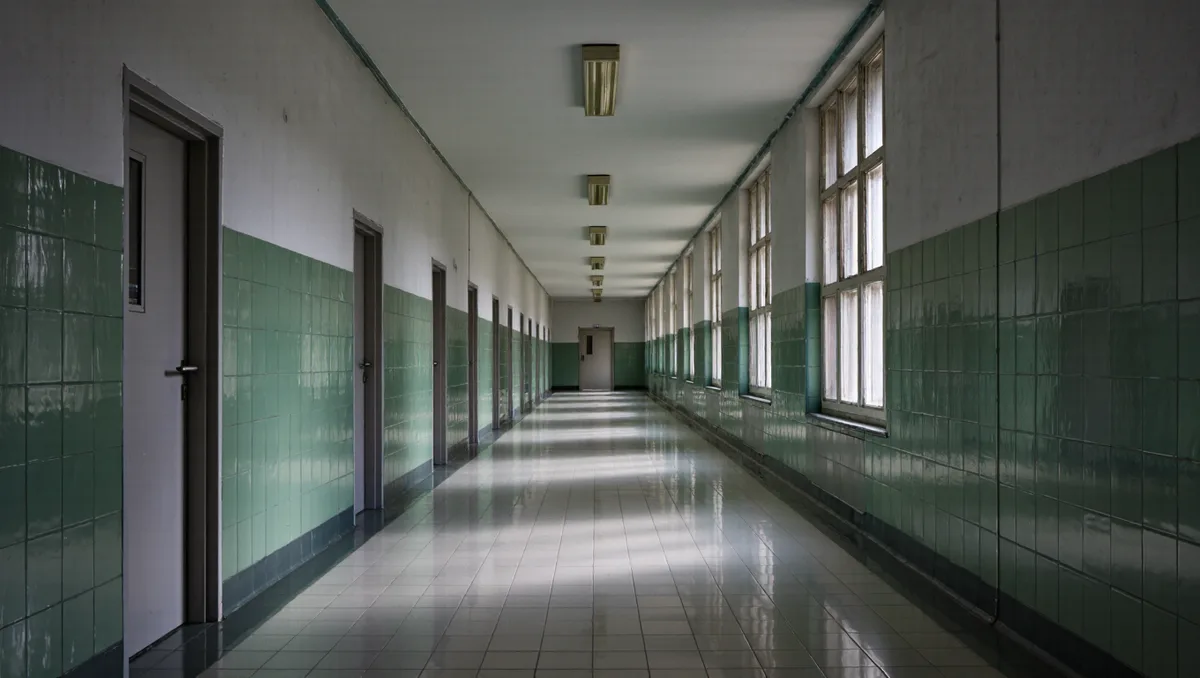
Jury deliberations happen in private, and the law keeps it that way. After closing arguments, the jurors retire to a room that no party, reporter, or family member may enter. Trials are generally public, but jury deliberations are private, the federal judiciary notes in its published guidance on juries. What comes out is a verdict. In a federal criminal case, that verdict must be unanimous.
Deliberation is one stage of a case with rules attached at every step. The deadlines that start a civil case are covered in why statutes of limitations matter in civil cases, and they show how much of a dispute is decided before anyone reaches a courthouse.
This account of the jury room draws on the federal rules of procedure and on guidance published by the courts themselves. Both areas sit inside the Justice section of this site.
Who sits on the jury, and who may enter the room?
The trial jury, called a petit jury, decides both criminal and civil cases in federal court. Petit juries are made up of 6 to 12 people, and jurors hear a maximum of one case before they are discharged. The federal judiciary’s page on types of juries states the rule on access plainly: trials are generally public, but jury deliberations are private. The public learns the outcome, not the path the jurors took to reach it.
What must the jury decide, and how must it vote?
The question before the jurors depends on the type of case. In a criminal trial, the petit jury decides whether the government has proved beyond a reasonable doubt that the defendant committed the crime as charged. In a civil case, the standard is far lower: the plaintiff must show its account is more likely true than not, a test the judiciary describes as preponderance of the evidence. The gap has a stated reason: no party’s freedom is at issue in a civil matter. On the vote itself, Rule 31 requires unanimity for a federal criminal verdict.
Do jurors in state courts have to agree too?
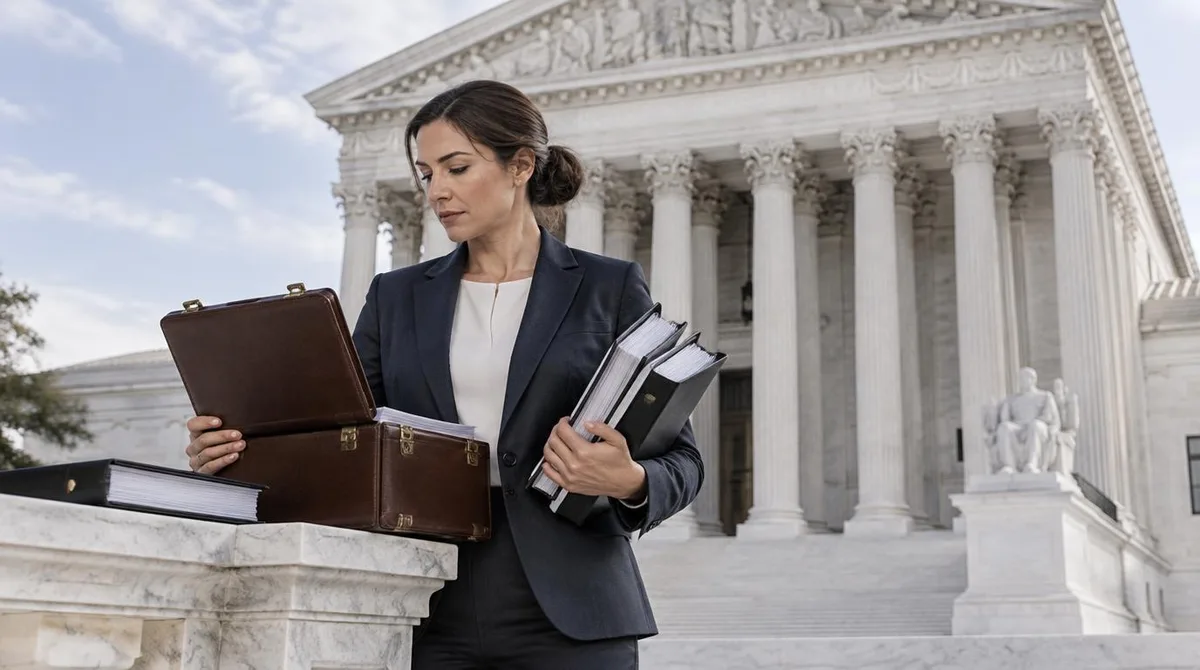
Nearly everywhere, yes, and since 2020 that rule is constitutional. In Ramos v. Louisiana, No. 18-5924, decided April 20, 2020, the Supreme Court held that the Sixth Amendment, applied to the states through the Fourteenth, requires a unanimous verdict to convict for a serious offense. The petitioner, Evangelisto Ramos, had been sentenced to life without parole on a 10-to-2 verdict. The syllabus recorded the previous spread: in 48 states and federal court, a single juror’s vote to acquit was enough to prevent a conviction, while Louisiana and Oregon had long accepted 10-to-2 verdicts.
What happens when jurors cannot agree?
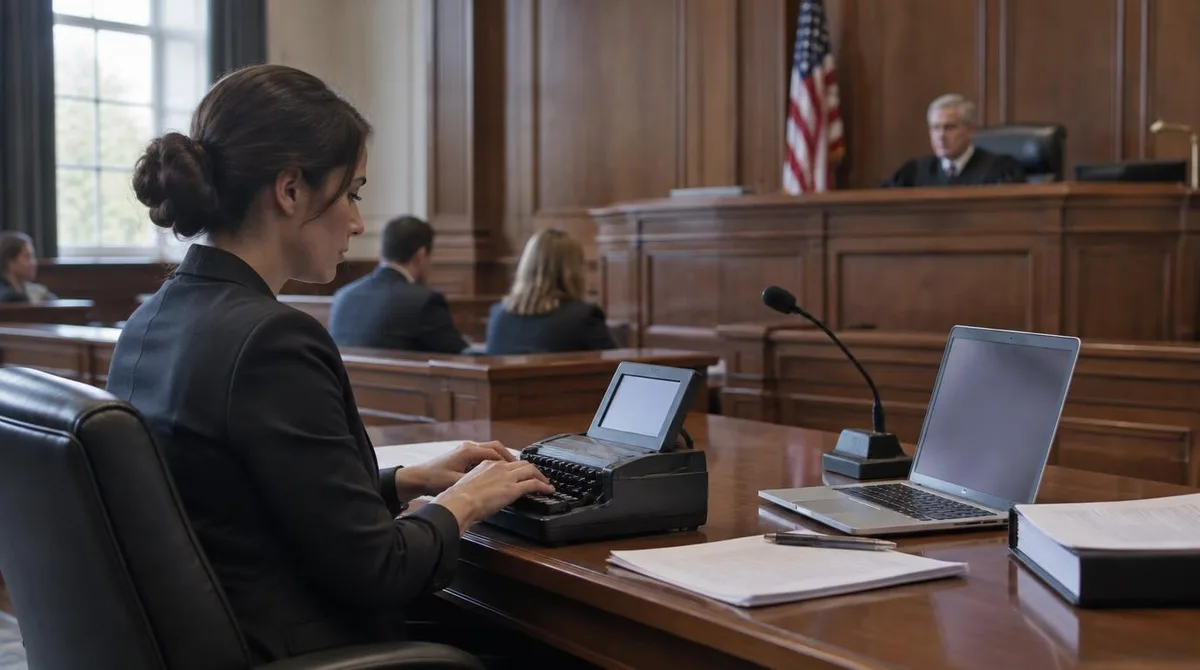
Disagreement has a procedure of its own. A jury may return a verdict at any time as to any defendant about whom it has agreed, and it may return a verdict on some counts while stalling on others. If the jurors cannot agree on a verdict on one or more counts, the court may declare a mistrial on those counts. The government may then retry the defendant on any count the jury could not decide. After a verdict comes in, Rule 31 also lets the court poll jurors individually on request, and a poll that reveals a lack of unanimity sends the jury back to the room. This connects to our earlier piece, Juvenile life without parole: shrinking, but still on the books in half the states.
Conclusion: what the closed door means
The record of how jury deliberation works is deliberately thin: 6 to 12 citizens, a private room, a unanimous federal criminal standard since Ramos applied unanimity nationwide in 2020, and fixed paths for partial verdicts, mistrials and retrials. The public sees the arguments at trial and the verdict at the end, and the discussions in between stay sealed by design. The design treats candid debate among jurors as the mechanism, and the verdict as the only account the courtroom receives. For related coverage, see How federal compassionate release works, and what the Supreme Court just narrowed.