
Topic
The Civil Rights Act 1875: the law that came too early
Congress banned segregation in public places during Reconstruction. The Supreme Court undid it within a decade — and the gap lasted eighty years.
Congress banned segregation in public places during Reconstruction. The Supreme Court undid it within a decade — and the gap lasted eighty years.

Petit juries of 6 to 12 people decide cases in private, and a federal criminal verdict must be unanimous under Rule 31. The Supreme Court extended that unanimity rule to state courts in Ramos v. Louisiana on April 20, 2020.
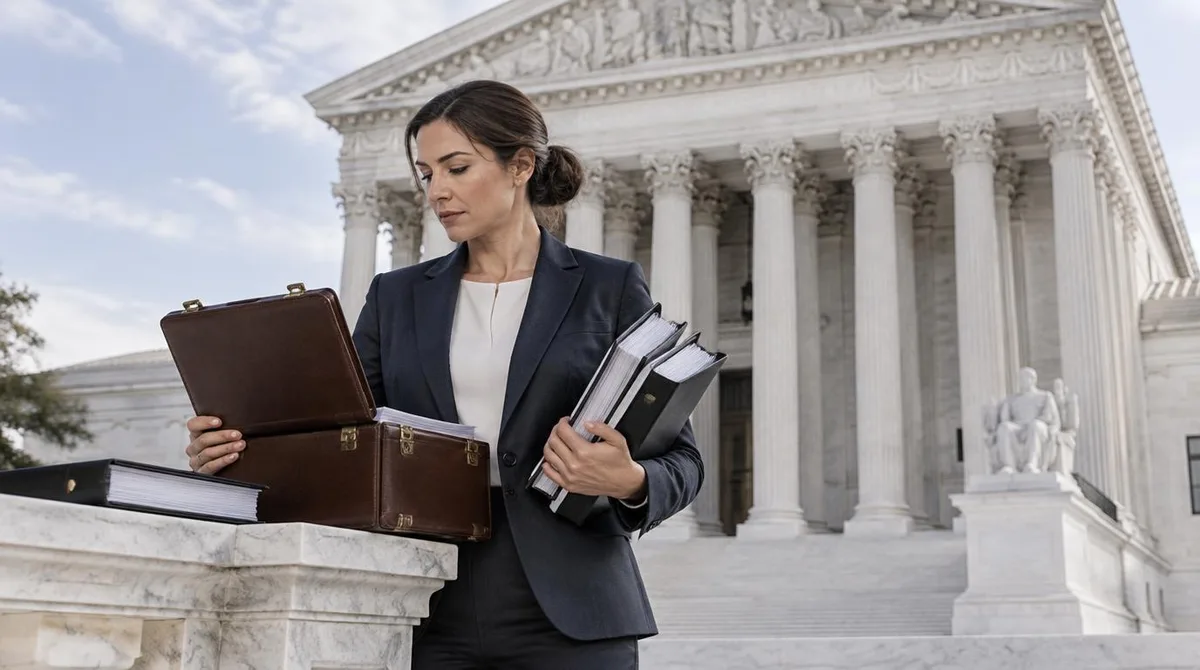
The Fifth Amendment bars a second prosecution for the same crime after an acquittal or conviction, yet the Supreme Court allowed separate state and federal prosecutions in Gamble v. United States in 2019, and a hung jury can still end in retrial.

How the technology actually works, what it is legally treated as, and why the price moves so much.
Consent, not prohibition, is the legal default in most places. Here is where the line sits, and which tools actually move it.
A restitution order is entered at sentencing, but collecting it is a separate fight — and full recovery is rare.