Society
Religion in America statistics: how surveys track a shifting picture
Affiliation patterns are changing, and the way researchers count them shapes what public institutions see.
Aarya Kapoor · October 10, 2026
Long-form coverage of inequality where people actually meet it: renting an apartment, applying for a job, enrolling a child, dealing with police. Pieces combine statistics with individual case files and name the institutions responsible. Written for policy readers, community organizers and anyone tracking how social outcomes get produced.
Long-form coverage of inequality where people actually meet it: renting an apartment, applying for a job, enrolling a child, dealing with police. Pieces combine statistics with individual case files and name the institutions responsible. Written for policy readers, community organizers and anyone tracking how social outcomes get produced.
Affiliation patterns are changing, and the way researchers count them shapes what public institutions see.
Aarya Kapoor · October 10, 2026Three quiet rules — a car, a zoning code, an attendance line — decide where American neighborhoods grow.
Aarya Kapoor · October 2, 2026
A once-a-decade headcount, plus quieter yearly surveys, decide where money, seats and services flow.
Aarya Kapoor · September 26, 2026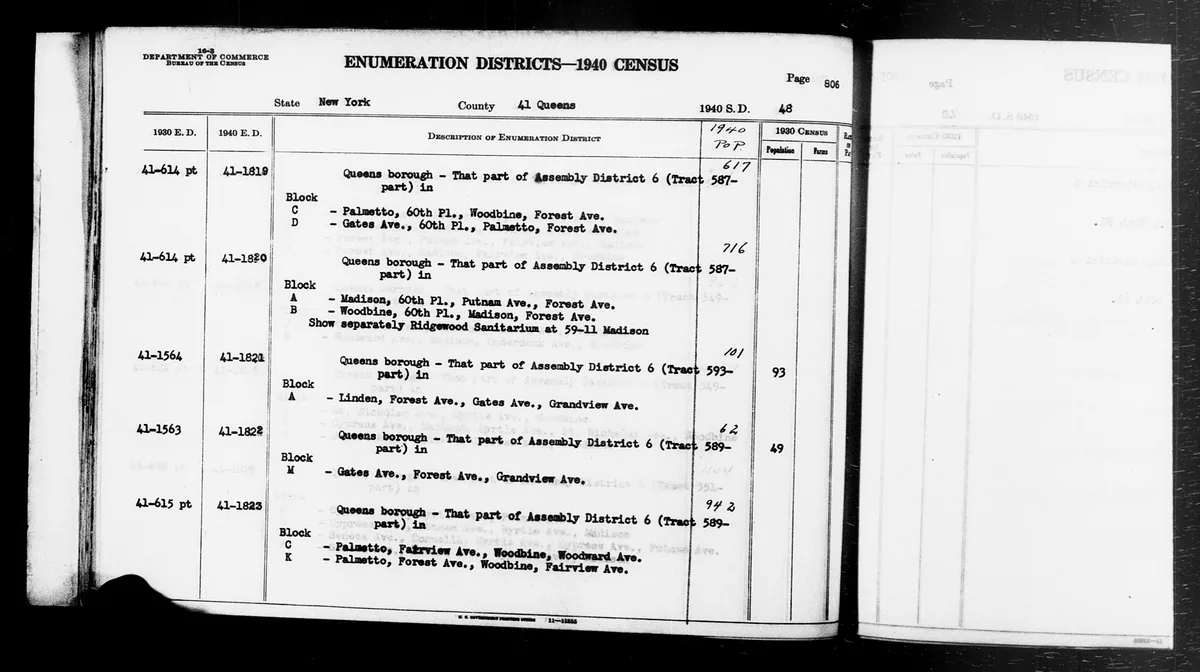
When a hometown paper closes, what disappears is not just coverage. It is a shared record that residents, courts, and councils could all check.
Aarya Kapoor · September 22, 2026
The doctrine shields officials from most civil rights lawsuits unless the right they violated was already "clearly established" — a standard that has grown narrower since the Supreme Court adopted it in 1982.
Aarya Kapoor · August 21, 2026