Long-form coverage of inequality where people actually meet it: renting an apartment, applying for a job, enrolling a child, dealing with police. Pieces combine statistics with individual case files and name the institutions responsible. Written for policy readers, community organizers and anyone tracking how social outcomes get produced.
Long-form coverage of inequality where people actually meet it: renting an apartment, applying for a job, enrolling a child, dealing with police. Pieces combine statistics with individual case files and name the institutions responsible. Written for policy readers, community organizers and anyone tracking how social outcomes get produced.
More than 4,000 specialty courts now reroute defendants into treatment and supervision — with outcomes that beat incarceration on the metrics researchers trust.
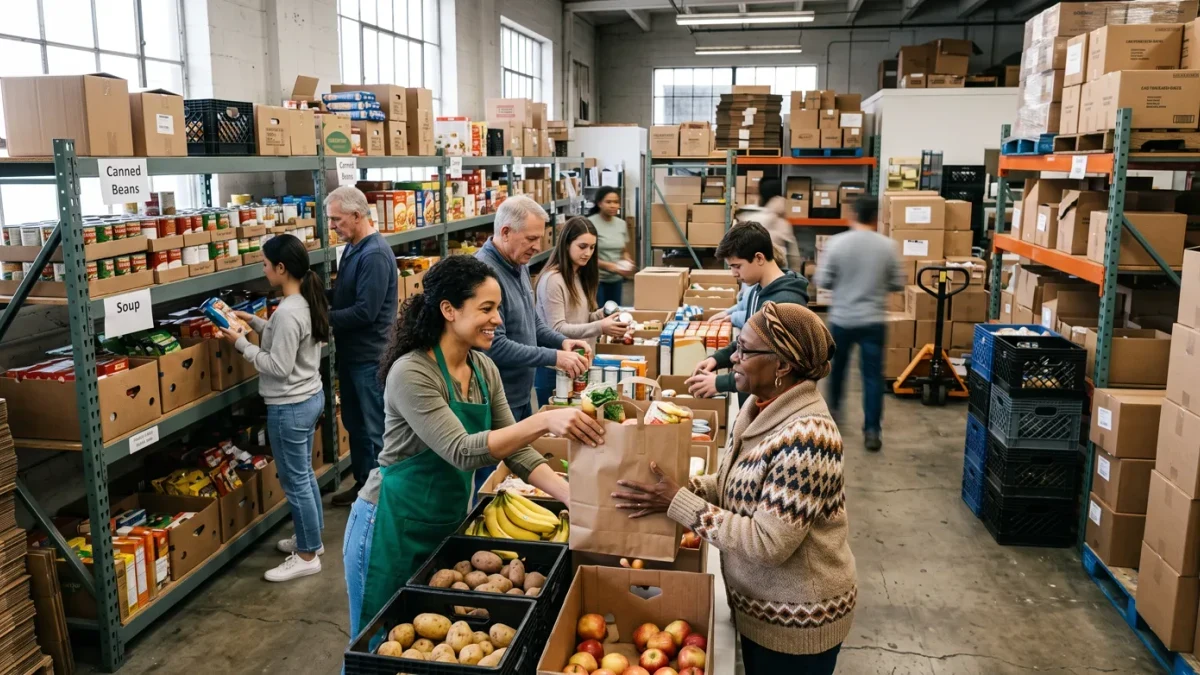
The USDA's annual food-security survey counts households by whether they could afford enough food — and its categories, questions, and delays shape who gets fed.
Federal civil-rights law requires courts to serve people with limited English, and the gap between the mandate and the interpreter supply is documented case by case.
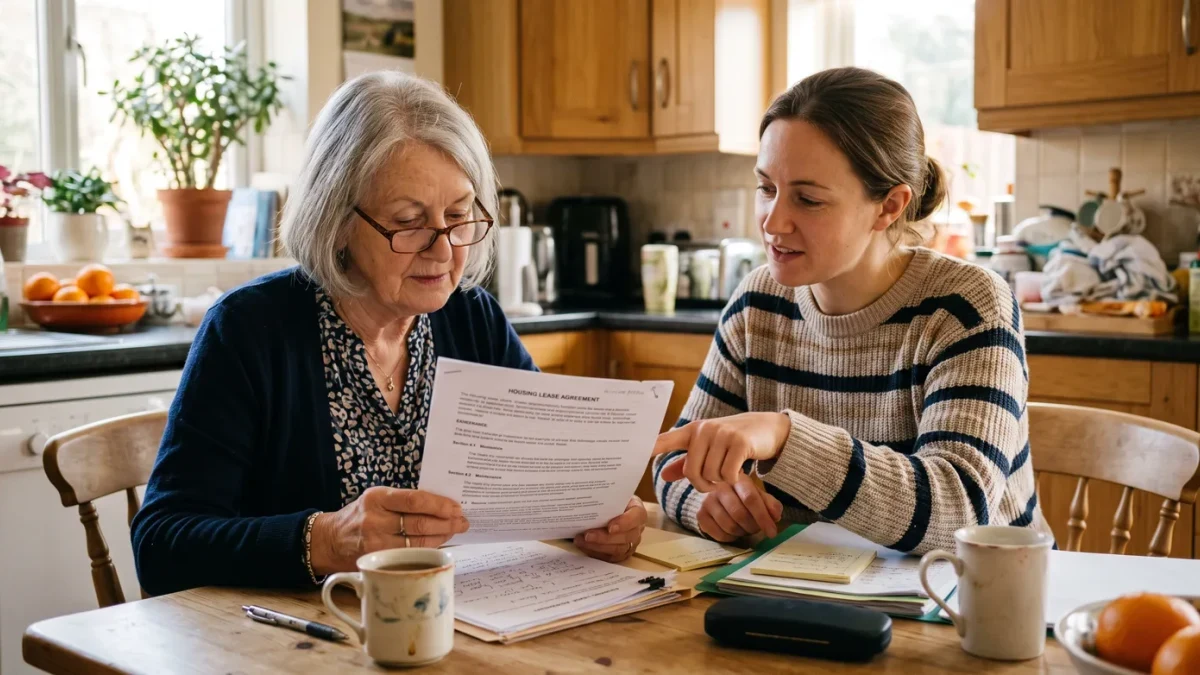
The conservatorship cases that made headlines drove real legislative change — rights of due process, supported decision-making, and monitoring — in most states, with uneven enforcement.
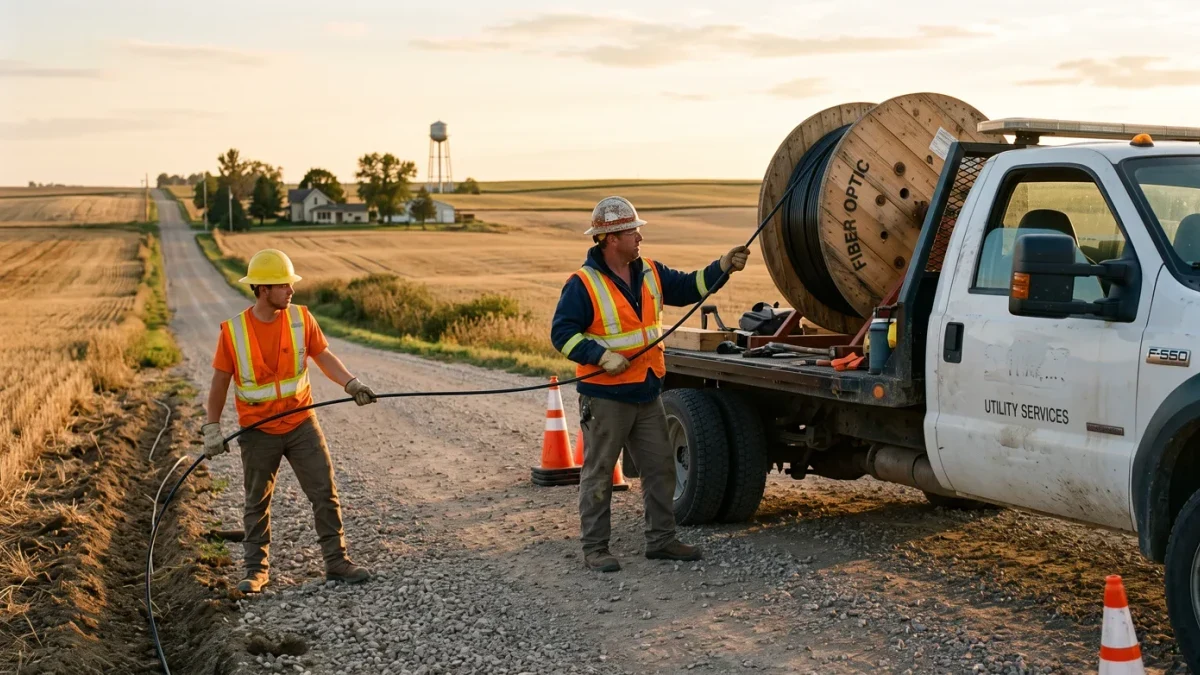
The 42-billion-dollar BEAD program rewrote its rules before shovels moved, and the households without usable internet are the same ones schools and courts moved online.