Topic
The Civil Rights Act 1875: the law that came too early
Congress banned segregation in public places during Reconstruction. The Supreme Court undid it within a decade — and the gap lasted eighty years.
Congress banned segregation in public places during Reconstruction. The Supreme Court undid it within a decade — and the gap lasted eighty years.

A new book built on 150 interviews turns a long-running critique into concrete tactics for both sides of a global partnership.

About 7,000 to 8,000 petitions reach the Supreme Court each Term and roughly 80 get argument; the path runs from certiorari petitions to 30-minute arguments, private conferences, and written opinions.

Petit juries of 6 to 12 people decide cases in private, and a federal criminal verdict must be unanimous under Rule 31. The Supreme Court extended that unanimity rule to state courts in Ramos v. Louisiana on April 20, 2020.
The Fifth Amendment bars a second prosecution for the same crime after an acquittal or conviction, yet the Supreme Court allowed separate state and federal prosecutions in Gamble v. United States in 2019, and a hung jury can still end in retrial.
The First Amendment binds government rather than private companies, per the National Archives and Cornell's Legal Information Institute, and courts treat several speech categories as unprotected.
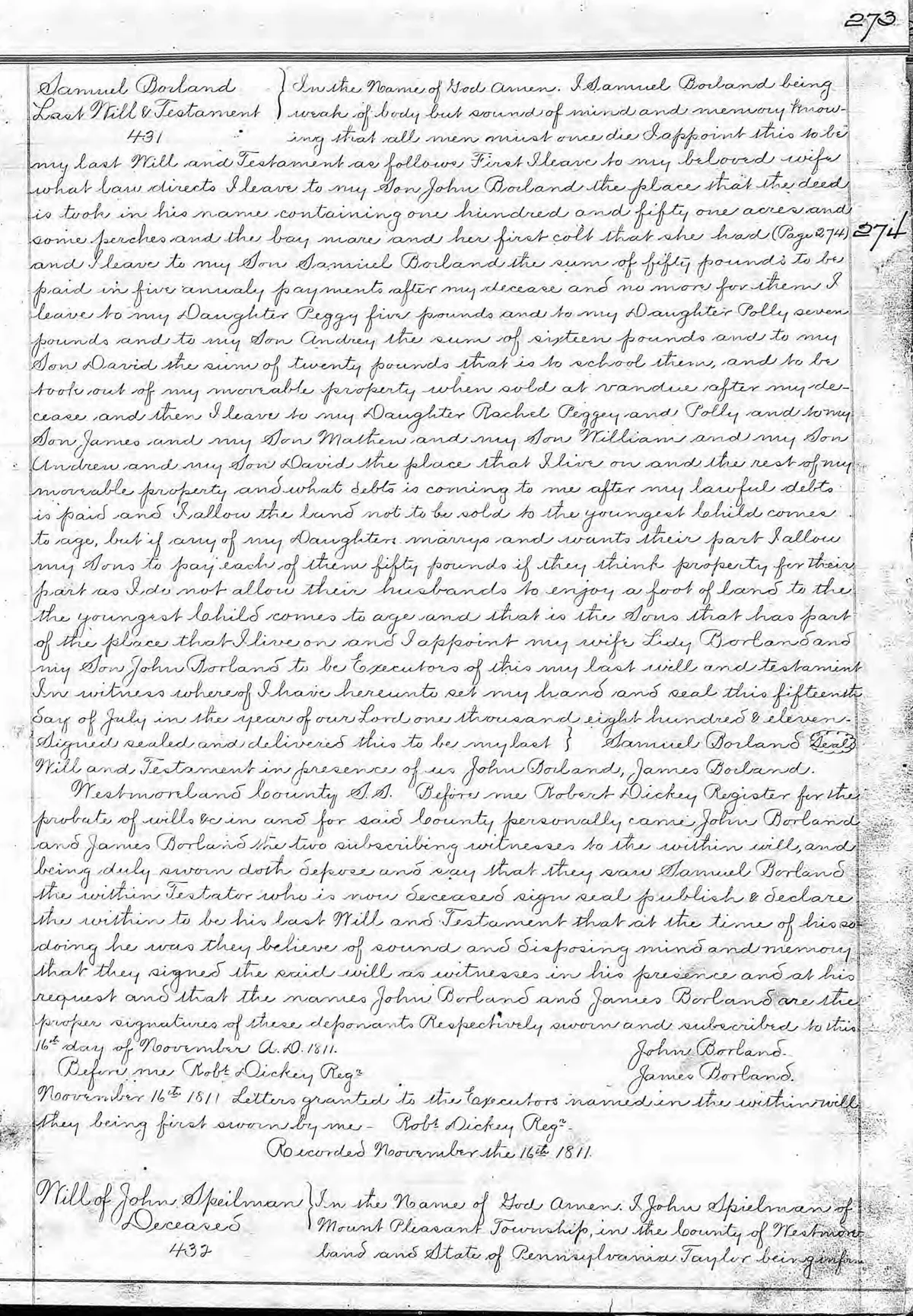
Probate is the court-supervised settling of a person's estate after death: the court validates the will, an executor pays debts, and heirs receive what remains.

A New Jersey county's new lawsuit is the latest test of whether state courts can hear climate deception cases at all.
Membership is down overall, but the private-sector gap and the legal right to organize explain where new drives are looking.
Automation tends to take tasks, not whole jobs. That distinction decides who is exposed — and what to build next.