
Topic
The Civil Rights Act 1875: the law that came too early
Congress banned segregation in public places during Reconstruction. The Supreme Court undid it within a decade — and the gap lasted eighty years.
Congress banned segregation in public places during Reconstruction. The Supreme Court undid it within a decade — and the gap lasted eighty years.

About 7,000 to 8,000 petitions reach the Supreme Court each Term and roughly 80 get argument; the path runs from certiorari petitions to 30-minute arguments, private conferences, and written opinions.
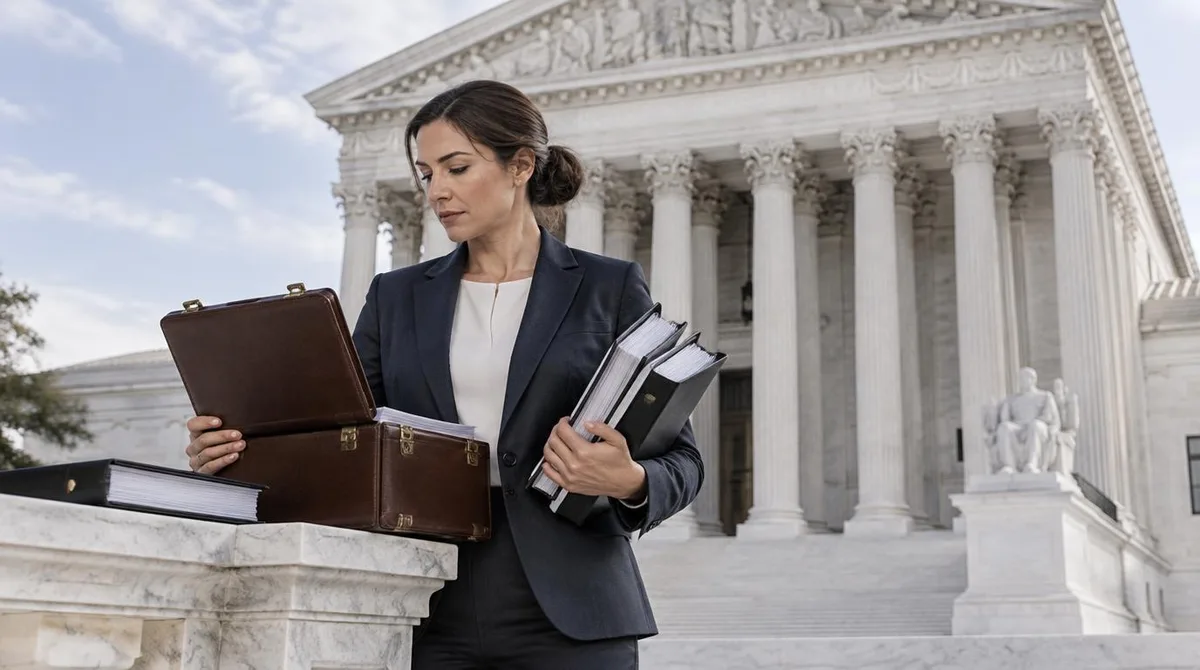
The Fifth Amendment bars a second prosecution for the same crime after an acquittal or conviction, yet the Supreme Court allowed separate state and federal prosecutions in Gamble v. United States in 2019, and a hung jury can still end in retrial.

The First Amendment binds government rather than private companies, per the National Archives and Cornell's Legal Information Institute, and courts treat several speech categories as unprotected.
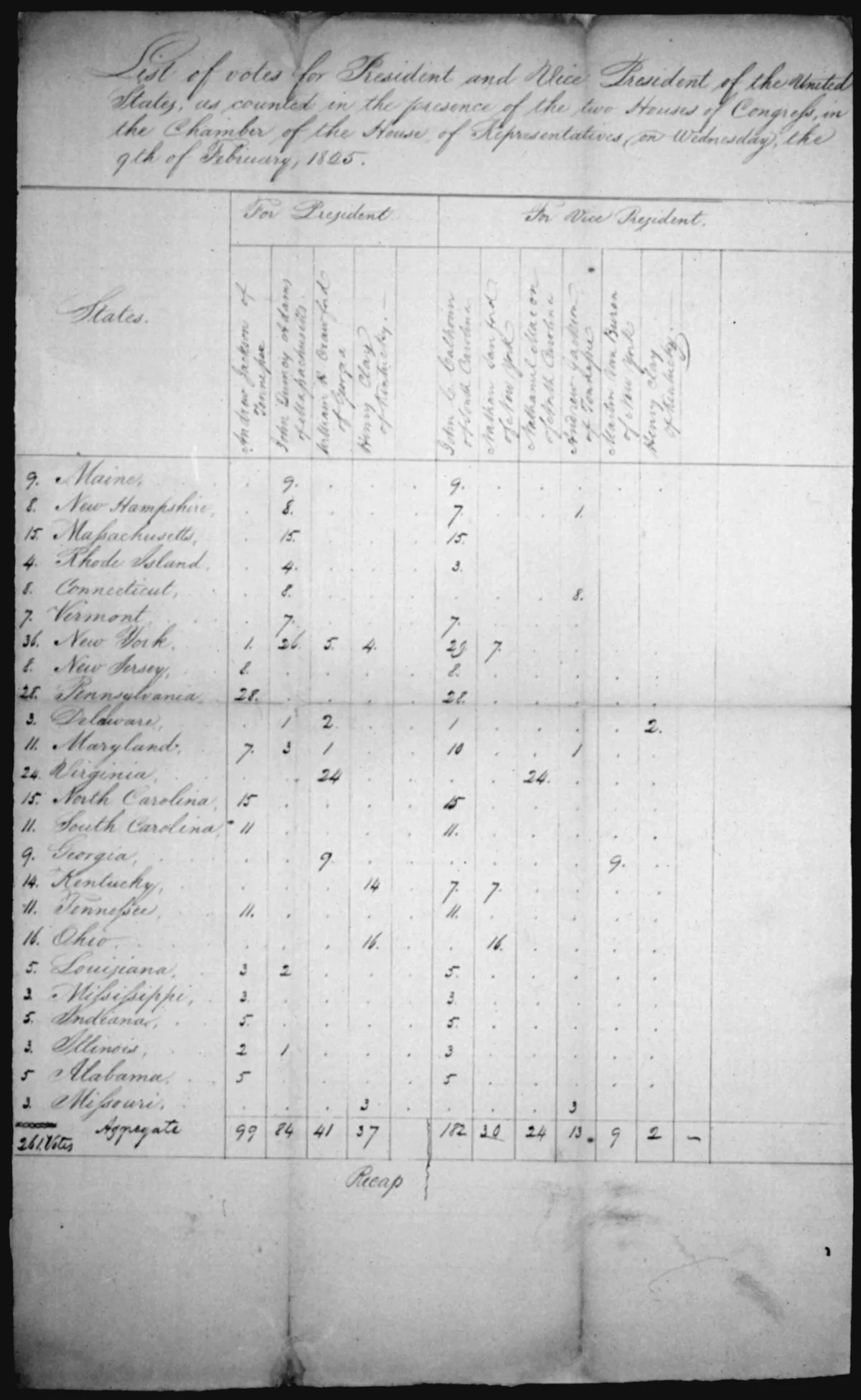
The electoral college elects the president through 538 electors, and 270 electoral votes decide the winner. Each state's share follows its congressional delegation under the current census.
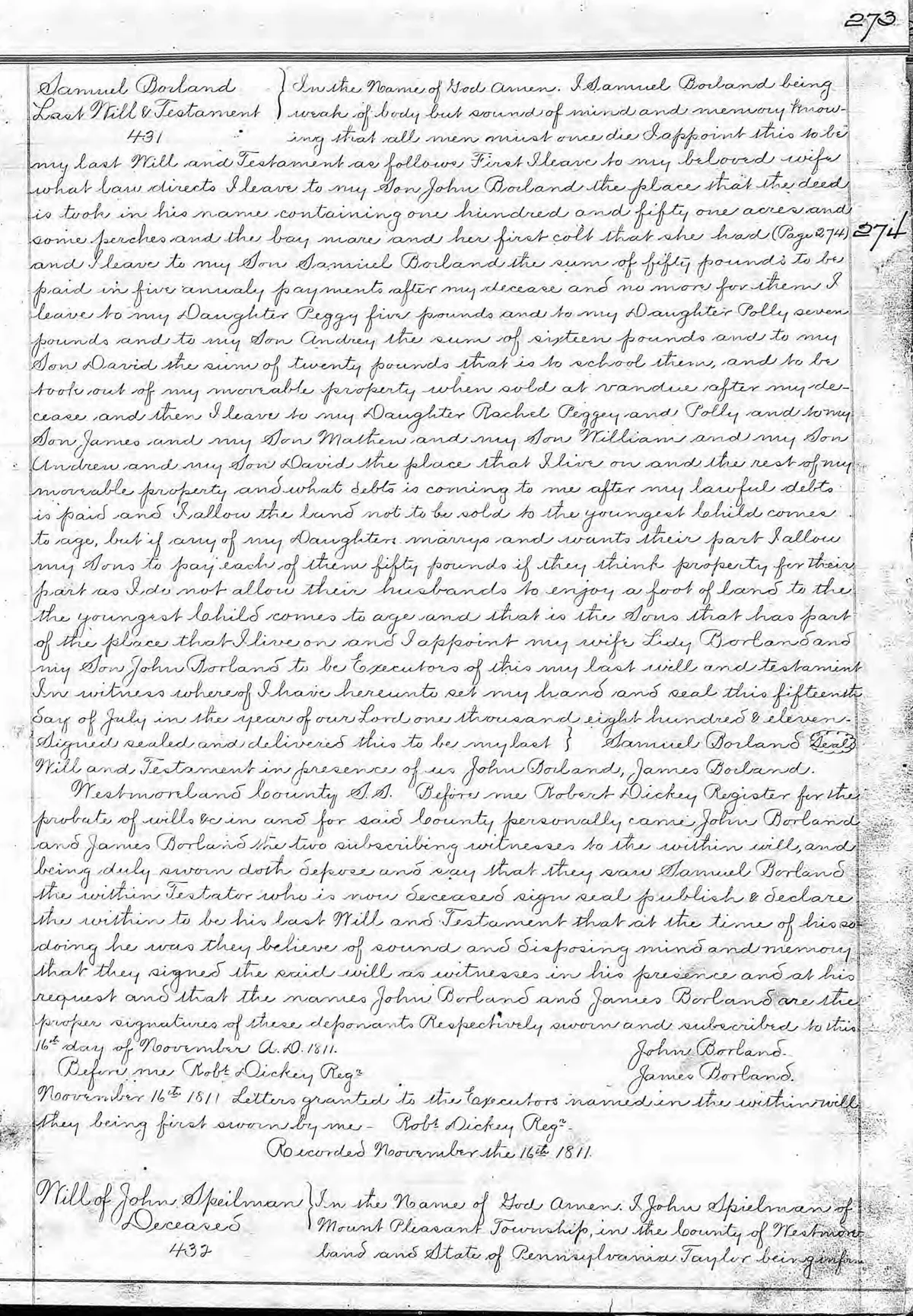
Probate is the court-supervised settling of a person's estate after death: the court validates the will, an executor pays debts, and heirs receive what remains.

A growing company maps insurance to exposure: the SBA's six common policy types, state workers' compensation rules that differ by state, and a comparison habit that keeps coverage in step with headcount and assets.

A New Jersey county's new lawsuit is the latest test of whether state courts can hear climate deception cases at all.
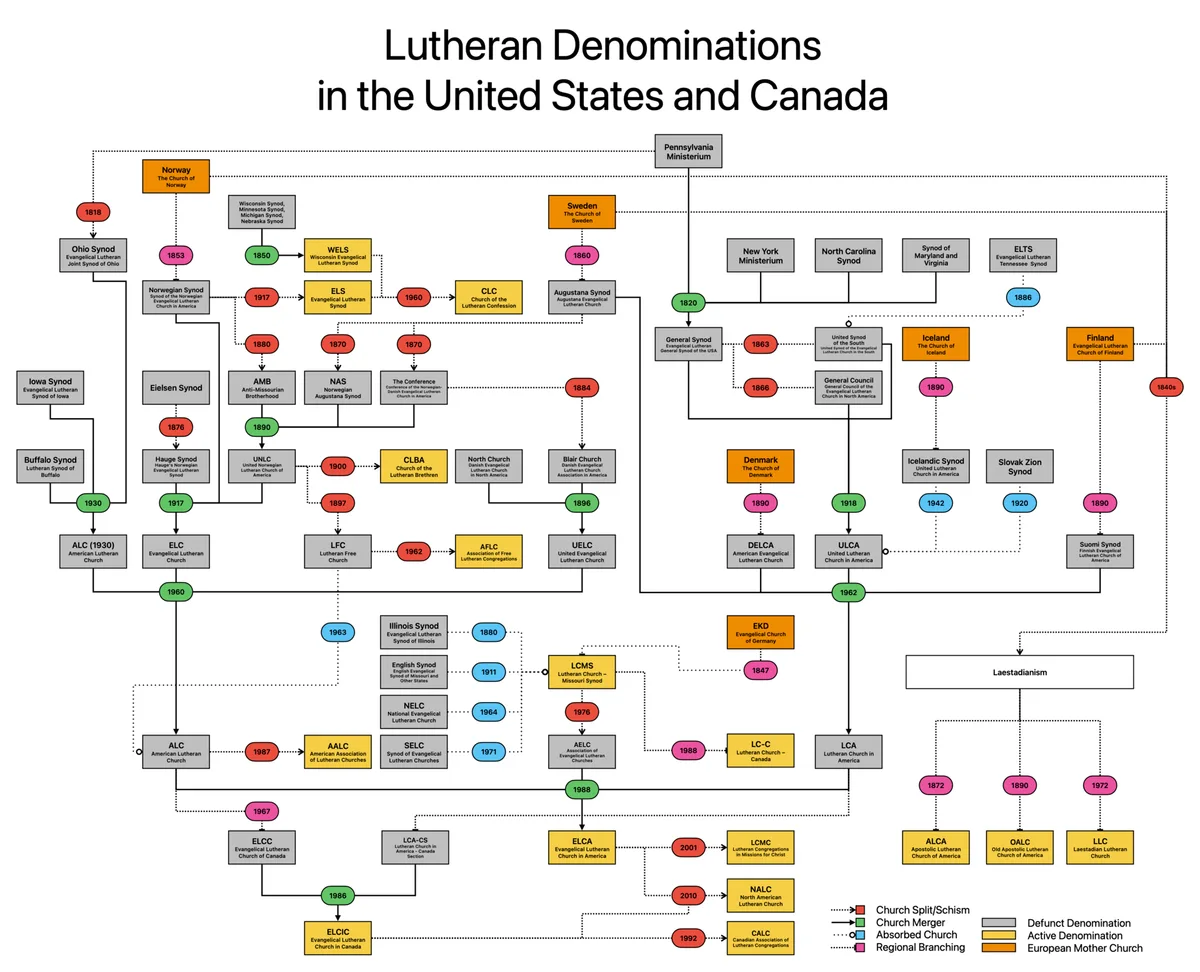
Affiliation patterns are changing, and the way researchers count them shapes what public institutions see.
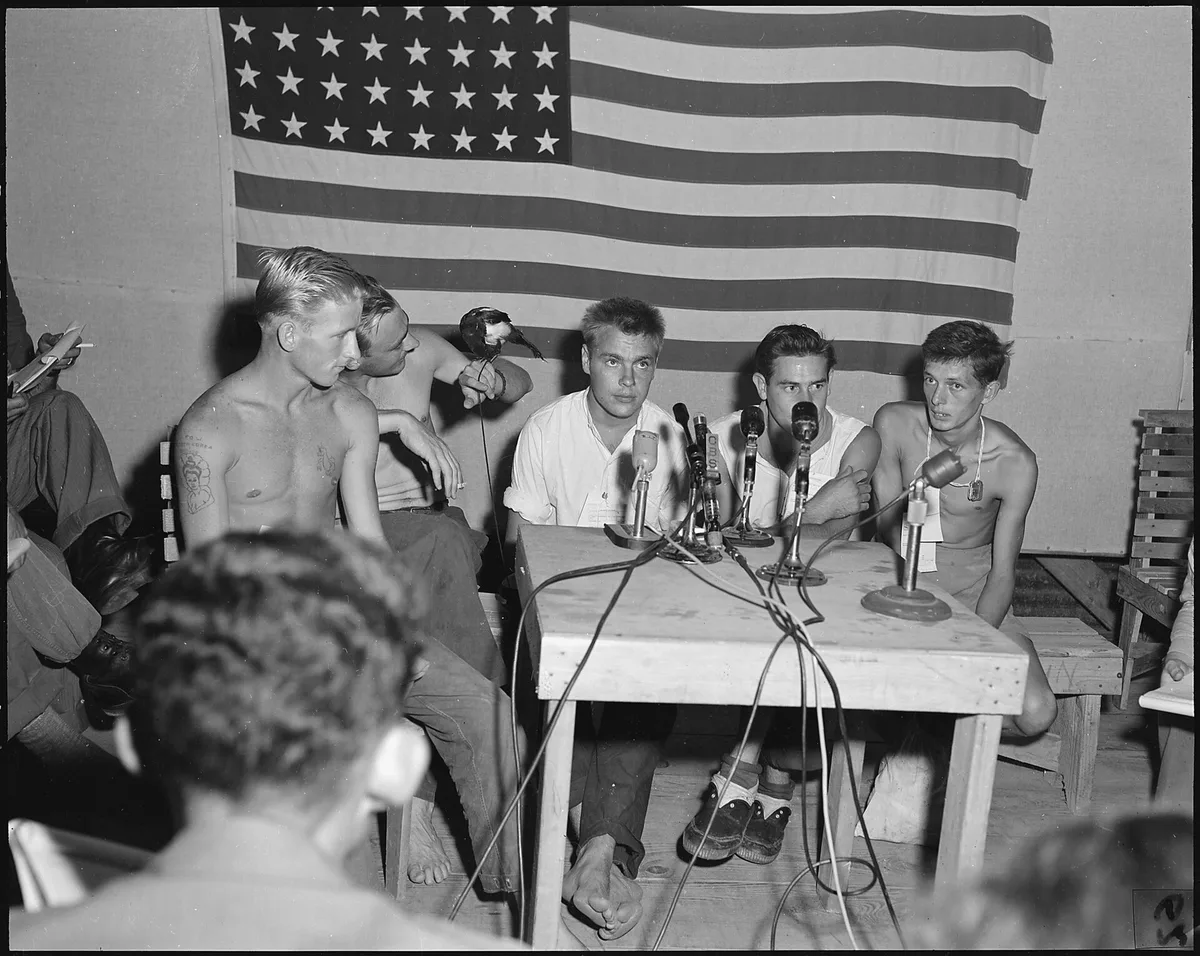
Press freedom differs sharply from one country to the next. This guide explains what it means, how it is measured, and how nations compare.