Business developments reported with the workforce in view: procurement audits, wage claims, union recognition, settlements and regulatory penalties. The feed favors companies whose decisions reach large numbers of workers or contractors. Useful for compliance staff, organizers and investors tracking labor and human rights exposure.
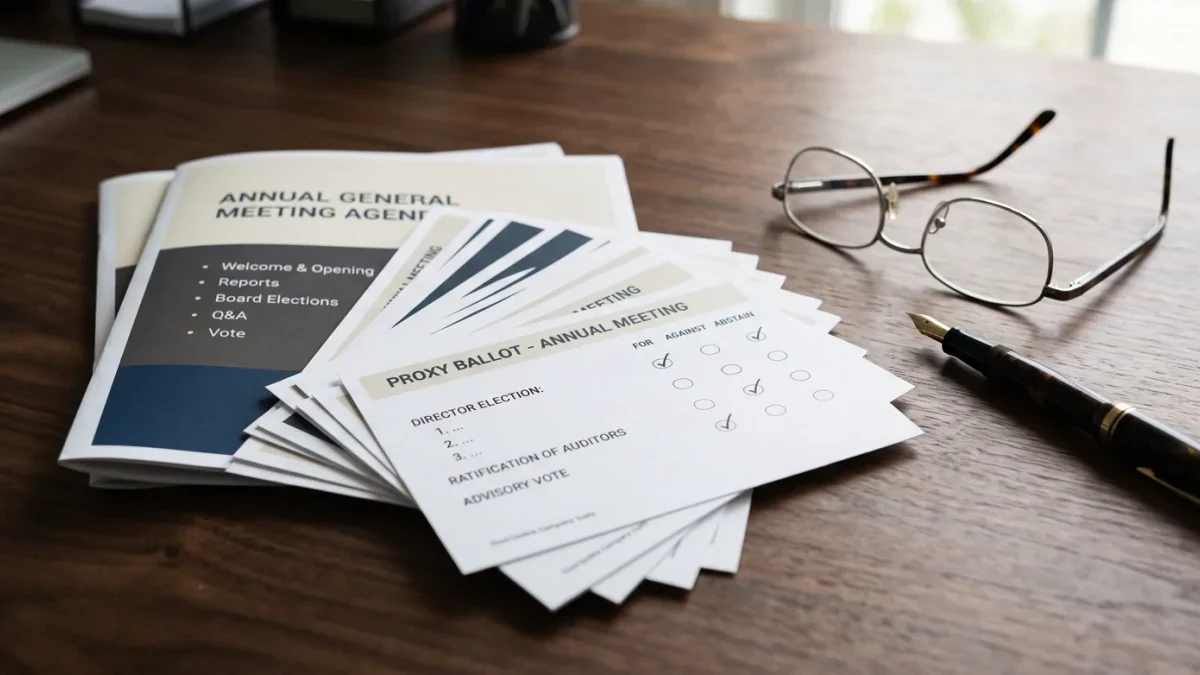
Rule 14a-8 lets a $2,000 investor put a rights question on a company's proxy ballot, and the fights over what counts as ordinary business decide which votes happen at all.
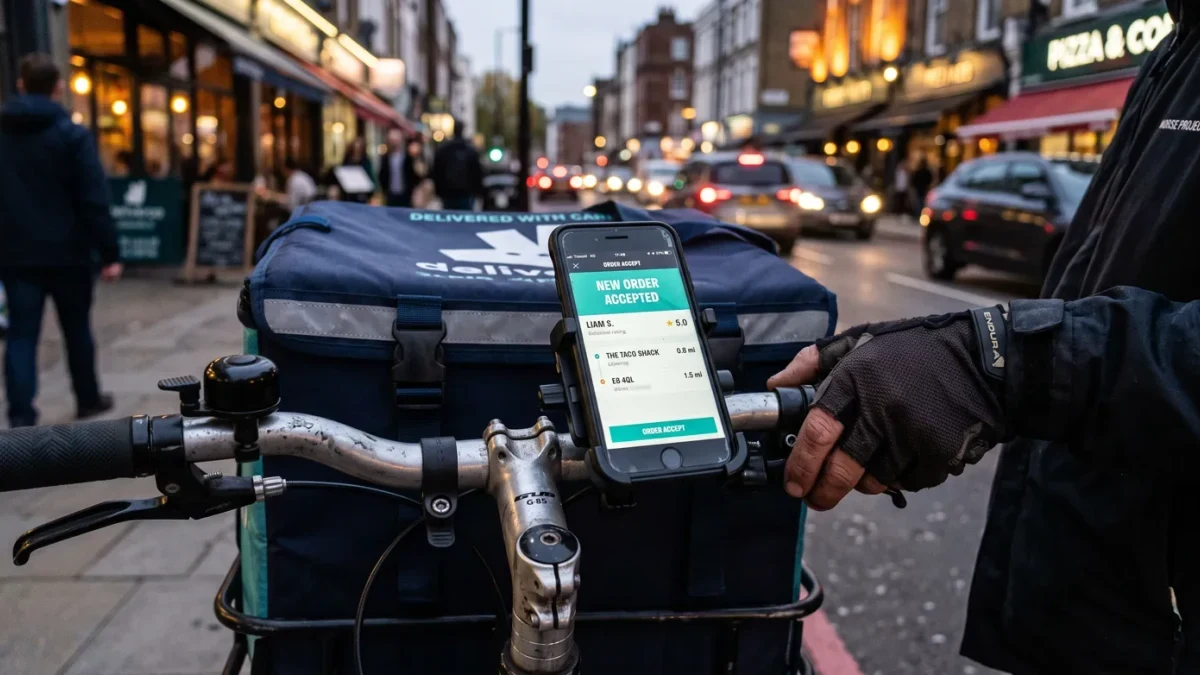
No federal standard covers app-based workers, so portable benefits, minimum earnings, and injury coverage depend on which state law — or which ballot initiative — reaches them first.
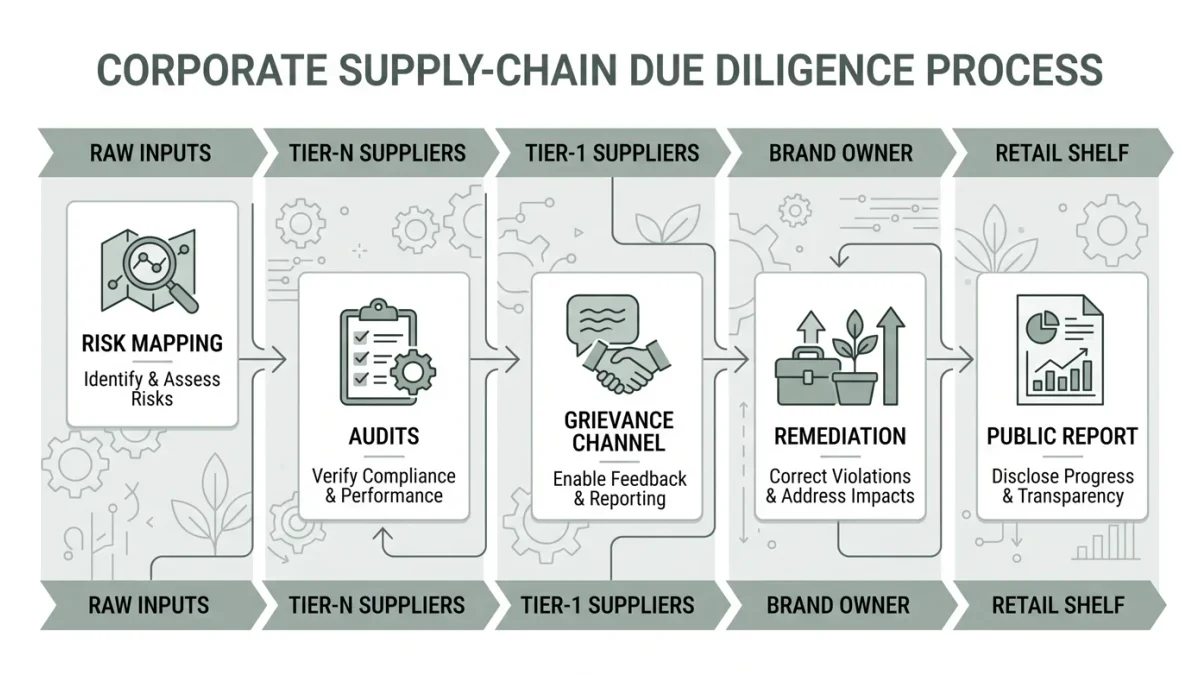
Europe's forced-labor and human-rights due-diligence rules reach American multinationals through their sales, and the compliance question is no longer whether to audit but how deep.
Union petitions are at their highest levels in decades, and the process that follows — elections, unfair-labor-practice charges, and slow remedies — shapes whether organizing succeeds.
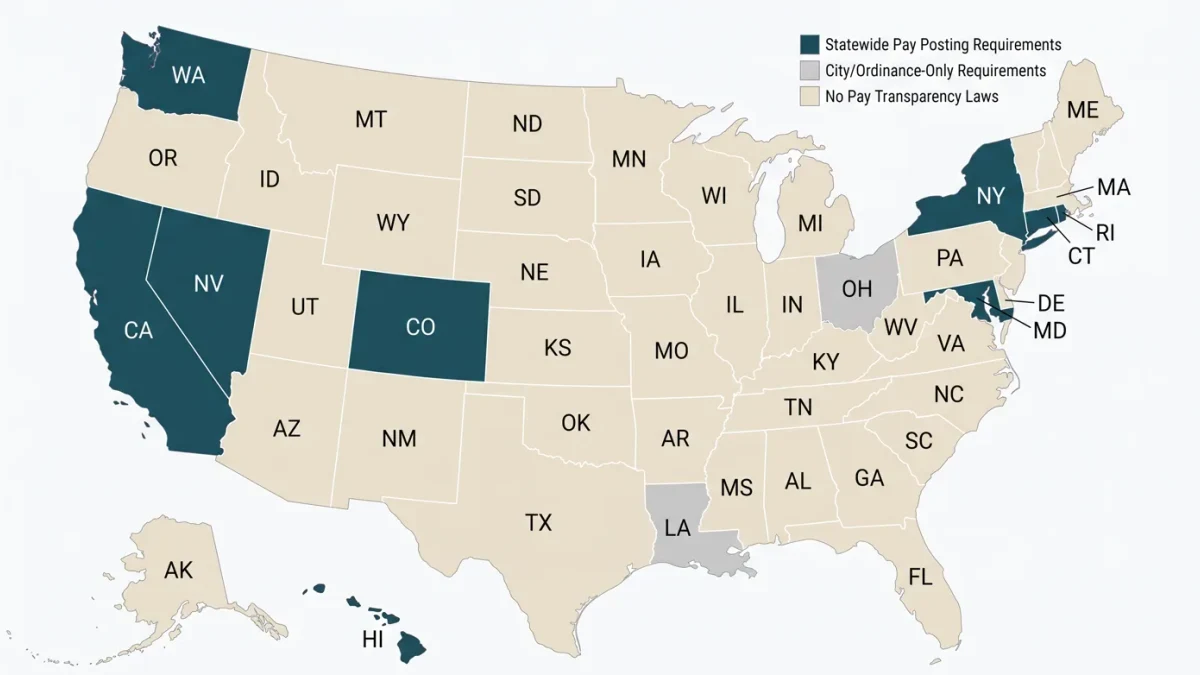
A growing set of states and cities require employers to disclose pay ranges in postings, and the compliance questions are turning on job scope, remote work, and contractor coverage.