A community benefit agreement is a contract, or contract-like commitment, between a developer and community organizations, in which the developer promises local hiring, wages, affordable housing, park space, or anti-displacement measures in exchange for the community's support — or at least silence — through zoning and permitting fights. The model's canonical case is the Staples Center agreement in Los Angeles (2001), where a coalition negotiated hiring, affordable housing, and living-wage commitments around the arena; hundreds have followed, per the counts maintained by the Partnership for Working Families' network and academic tracking of development agreements. What separates a CBA from a press release is enforceability, and that is where the architecture gets interesting.
Who is actually bound?
Three structures exist. The strongest is a genuine contract between the developer and a community coalition, with third-party beneficiary rights letting signatory organizations sue. The commonest is a package of conditions embedded in the city's development agreement or rezoning — enforceable by the municipality, which means enforcement depends on a city attorney's willingness to sue a developer the city recruited. The weakest is a letter of intent or side letter announced at a groundbreaking, enforceable by no one. Research on CBA outcomes — the academic literature developing since the mid-2000s, and evaluations by groups including Urban Institute-affiliated scholars — finds compliance tracking sparse, and the agreements' own monitoring provisions (oversight committees, reporting duties) are the mechanism by which any enforcement happens at all.
What do CBAs typically contain?
The recurring categories: local and targeted hiring percentages, sometimes with first-source referral systems; construction wages, often prevailing-wage or PLA linkage; permanent-job quality standards for the operated facility; affordable housing set-asides in residential projects or in-lieu funds; anti-displacement measures — commercial tenant protections, relocation funds for displaced residents; environmental mitigations beyond code; and community facilities — parks, clinics, child care. The bargaining chips are density, subsidies, and speed: communities trade political support for zoning approvals and tax incentives the developer needs, which is why CBAs cluster on subsidy-heavy projects — stadiums, arenas, hospital expansions, transit-adjacent megadevelopments.
Who signs for the community?
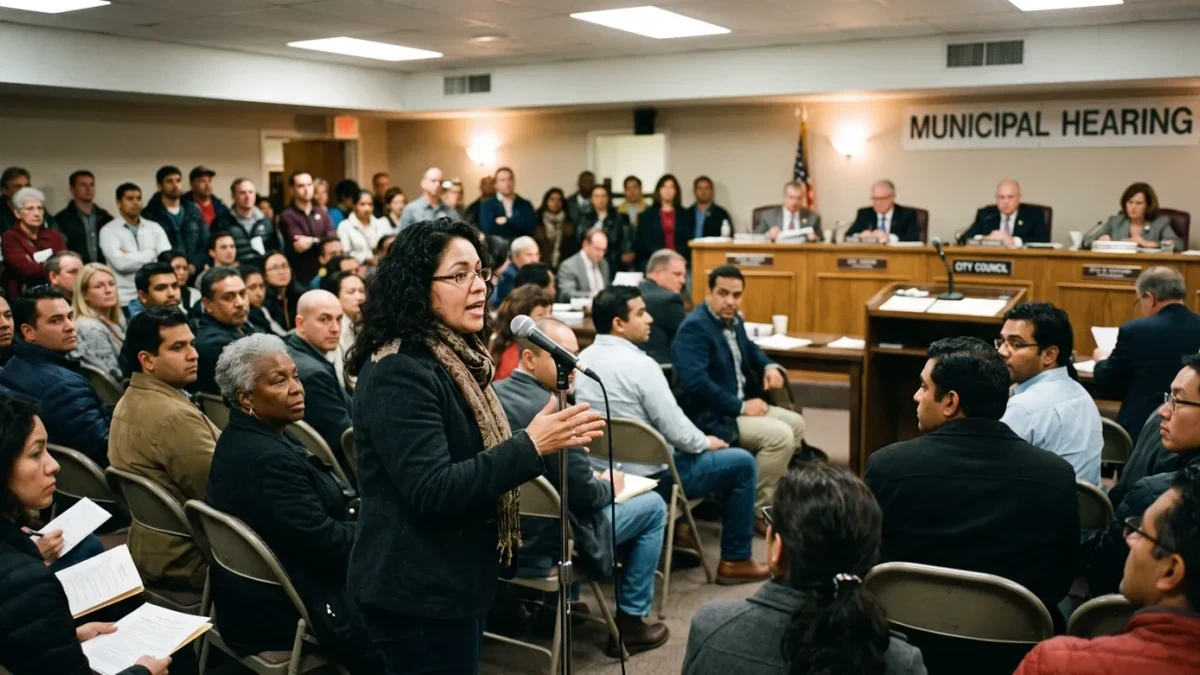
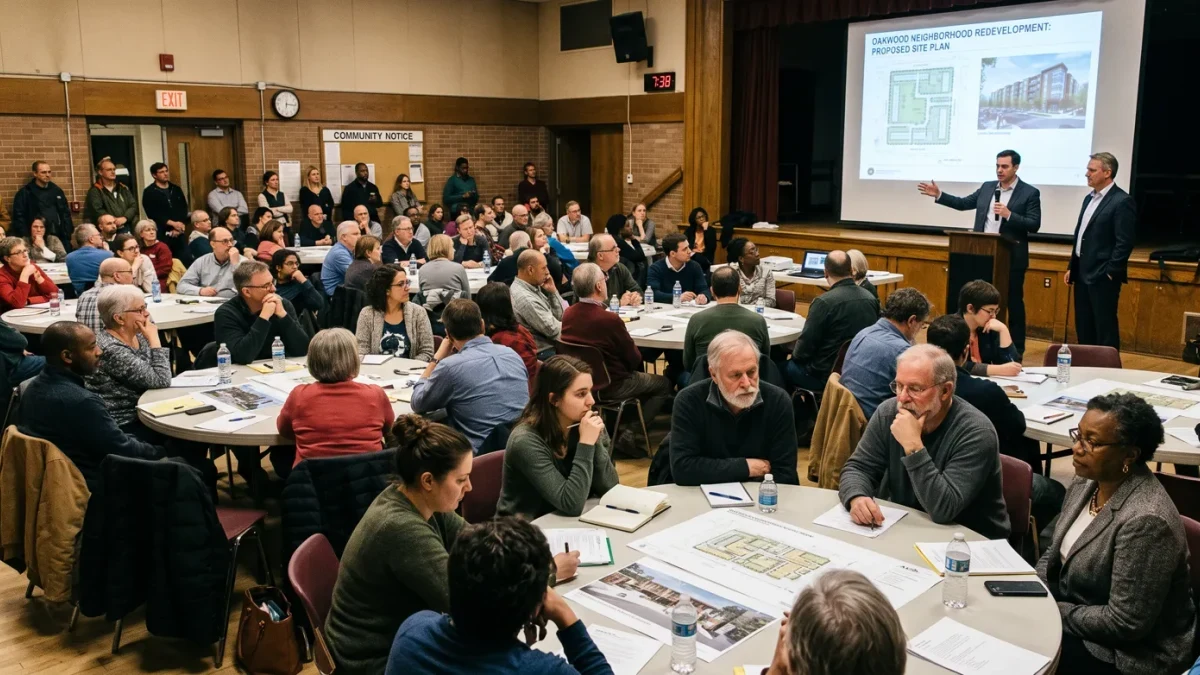
The representation question, and the critique with teeth. Coalition legitimacy varies: broad tables with elected neighborhood leadership differ from single organizations that happen to be organized and nearby, and the literature's sharpest critiques — from both community-organizing and developer-side perspectives — note that CBAs can anoint unrepresentative signatories whose support neutralizes broader opposition. Cities have responded with formal frameworks: Los Angeles's and other municipalities' CBA policies set process standards, and some projects run through voter-approved development agreements like Inglewood's arena measures, where the electorate itself became the counterparty — an expensive but unambiguous legitimacy fix. Labor's role is structural: building-trades and service unions are often the organized muscle behind CBA coalitions, and the agreements frequently package project labor agreements with community commitments, merging the two bargaining tracks.
Do the commitments get delivered?
Mixed, with documentation gaps. The documented enforcement cases are few — the Crenshaw Line community careers agreement litigation in Los Angeles over construction-hiring enforcement being a cited example of coalition signatories actually suing — and the practice's honest assessments describe delivery as contingent on monitoring capacity, economic conditions at delivery time, and sunset clauses that outlast accountability. Advocates' reform asks: longer commitments, reporting duties with public data, enforcement funds escrowed at signing, and city incorporation of CBA terms as conditions so the municipality's leverage backs the promises. Developers' counterpositions: flexibility to adjust to market conditions, and immunity from obligations they cannot price — the negotiation's ordinary tension, conducted with a community's housing stock on the table.
What should residents watch?
Before supporting or opposing a project with a CBA: who signs, what the enforcement clause says, who funds monitoring, and whether the commitments are conditions of the city's approvals or parallel promises. The agreements are tools, effective in proportion to their enforceability — and the ones worth supporting are the ones someone can sue under.