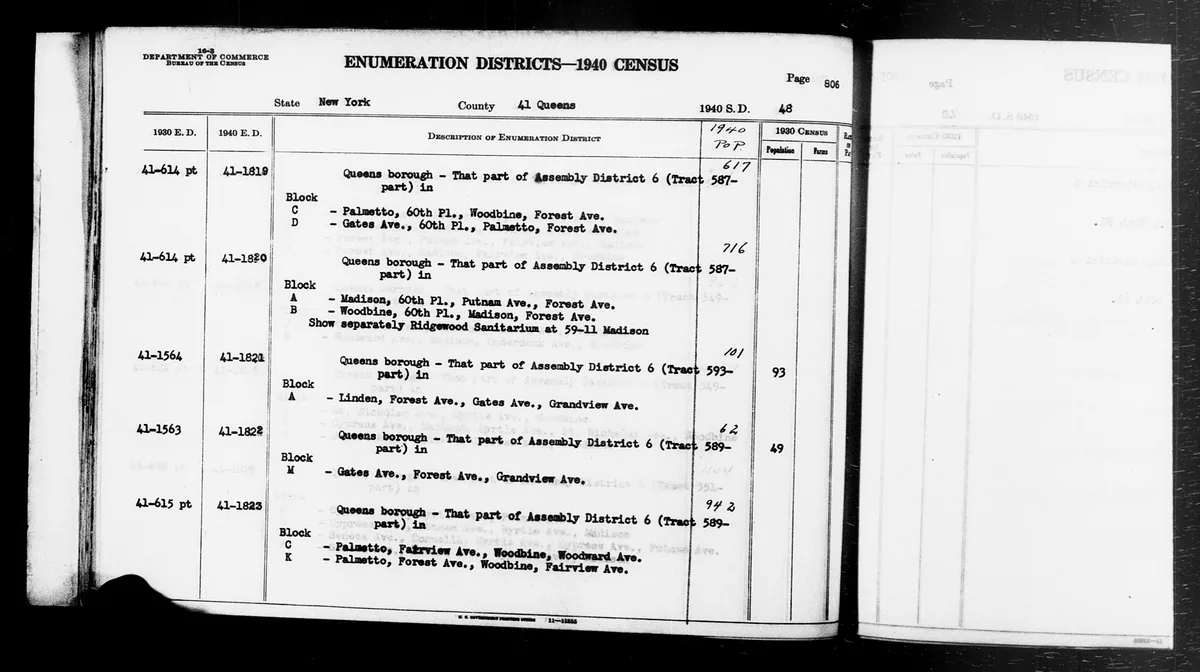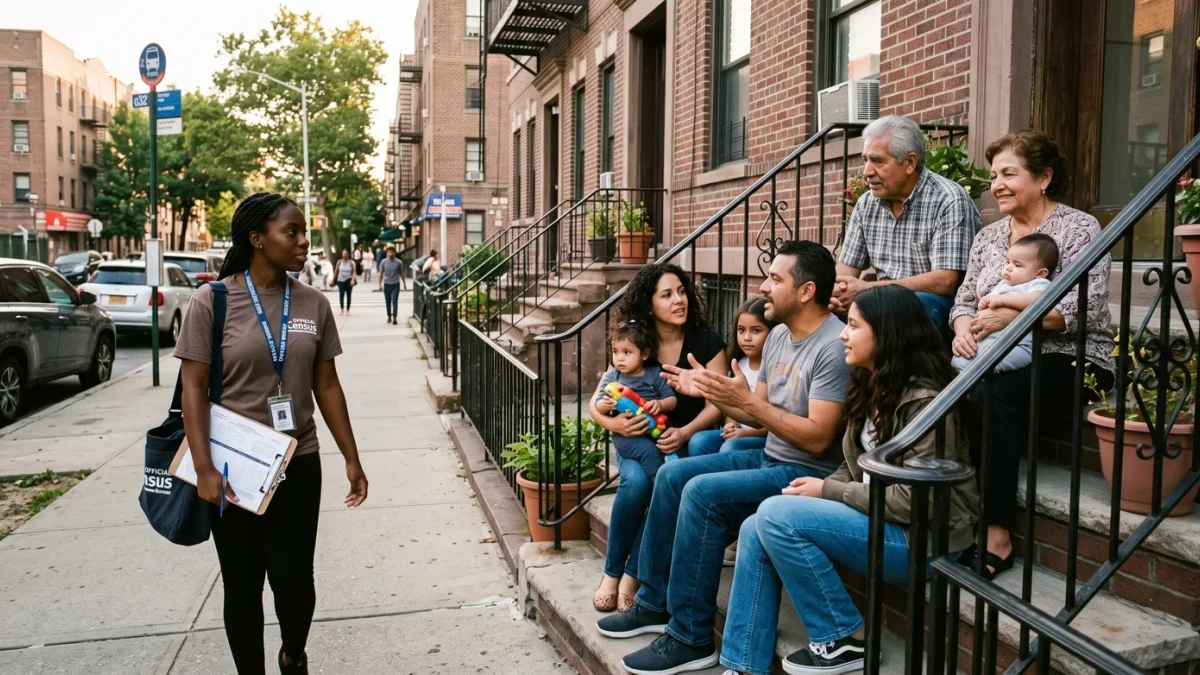
The 2020 census undercounted Black residents by about 3.3 percent, Latino residents by about 4.99 percent, and Native American residents living on reservations by about 5.64 percent, while overcounting the non-Hispanic white population by 1.64 percent, according to the Census Bureau's Post-Enumeration Survey released in 2022. Those percentages translate into millions of people effectively erased from the denominator that allocates congressional seats, legislative districts, and more than a trillion dollars a year in federal program spending.
How does the Census Bureau know it missed people?
Shortly after each decennial count, the bureau re-interviews a large scientific sample of households independently of the original operation and compares the results, producing coverage estimates for demographic groups and states. This Post-Enumeration Survey is the official audit of the count. It found the 2020 undercount was not uniform: it concentrated among renters, young children, Latino and Black residents, tribal communities, and people in hard-to-reach housing. The bureau's own assessments also documented how the COVID-19 pandemic and last-minute schedule compression in 2020 curtailed the field operations that specialize in exactly these populations.
What does an undercount actually cost?
Two things: money and political power. Federal formulas distribute funding for Medicaid, SNAP, highway planning, Head Start, and roughly 300 other programs by population. The Counting for Dollars project at the George Washington Institute of Public Policy estimated that in fiscal year 2021 alone, more than $1.5 trillion in federal funding was guided by 2010-census-derived statistics. Small percentage misses compound over ten years: analyses of the 2010 cycle estimated Texas lost federal health funding in the hundreds of millions from its undercount of children alone. Political representation moves the same way — the reapportionment following each census reallocates 435 House seats among states, and demographers' post-2020 analyses suggested undercounts plausibly shifted one or more seats compared with an accurate count.
Why are young children missed so often?
Children under five are historically the most undercounted age group — the 2020 PES put their national net undercount at 2.36 percent, concentrated among children of color. The mechanics are mundane: they are more likely to live in complex or multi-generational households, to split time between caregivers, or to be born shortly before or after Census Day. Census Bureau research found the single largest driver is simply the questionnaire: a grandparent or landlord filling the form omits young children who do not appear on the lease. The bureau has since added child-specific prompts to its materials, though advocates note uptake varies.
Can a state fix its own count?
Partially. States and cities fund census outreach, complete-count committees, and trusted-messenger campaigns, and the 2020 cycle showed these efforts correlate with better self-response in hard-to-count tracts. But the bureau's address list, staffing, and field operations are federal, and the differential undercount of 2020 occurred despite record state investment. Some states have sued over count methodology — Utah's challenges after 2000 established the precedent that statistical adjustment of reapportionment counts is not permitted under current law, which the Supreme Court affirmed in Utah v. Evans (2002).
What is being done before 2030?
The bureau's planning documents for the 2030 census propose redesigned field operations, better use of administrative records, and a permanent outreach infrastructure rather than a decadal scramble. Those plans carry their own rights concerns: civil-rights groups have warned that relying more heavily on administrative records — tax, program, and housing data — could import the gaps of those systems into the count itself, since the same populations that elude census takers also interact unevenly with the records that would replace them. The design choices of the next census will be debated through design-approval and budget cycles in the late 2020s.
The count's errors are not random, which is what makes them a civil-rights issue. The people missed are missed because of housing instability, language access, and distrust with historical roots — and the consequence of being missed is less of exactly the public investment that instability responds to.