In a federal criminal case, the prosecution must disclose the defendant's statements, criminal records, documents and objects material to the defense, examination results, and expert-witness reports under Rule 16 of the Federal Rules of Criminal Procedure, plus — under Brady v. Maryland (1963) — all evidence favorable to the accused that is material to guilt or punishment, whenever it exists. States have their own rules, generally narrower historically, and the practical difference between winning and losing a defense often reduces to timing: evidence delivered before plea deadlines allows informed decisions, and evidence delivered the week of trial does not.
What is the Brady problem?
Brady requires disclosure of favorable material evidence, but doctrine leaves three questions open in ways that favor the state: materiality is judged in hindsight after conviction, so suppression claims are litigated only when it is too late; what counts as material is parsed case by case; and United States v. Agurs (1976) and progeny hold that bad-faith suppression does not matter if the court deems the evidence immaterial. Prosecutors' obligations extend to police files under Kyles v. Whitley (1995), which makes the prosecution team responsible for what investigators know — but that supervision depends on prosecutors actually reviewing and transmitting police material, the exact failure documented in wrongful-conviction exonerations catalogued by the National Registry of Exonerations, where withholding exculpatory evidence appears as a contributing factor in a substantial share of cases.
What did Jencks add?
The Jencks Act and Rule 26.2 require disclosure of witness statements — but not until the witness testifies at trial, the latest possible moment, a timing rule the Supreme Court upheld in United States v. Nobles (1975). States that adopted the federal timing wholesale inherited the same defense complaint: you cross-examine with materials you received minutes earlier. Several states have legislatively moved witness statements earlier in the schedule, and those reforms — alongside open-file discovery, discussed below — are the substance of the modern discovery-reform statutes.
What is open-file discovery?
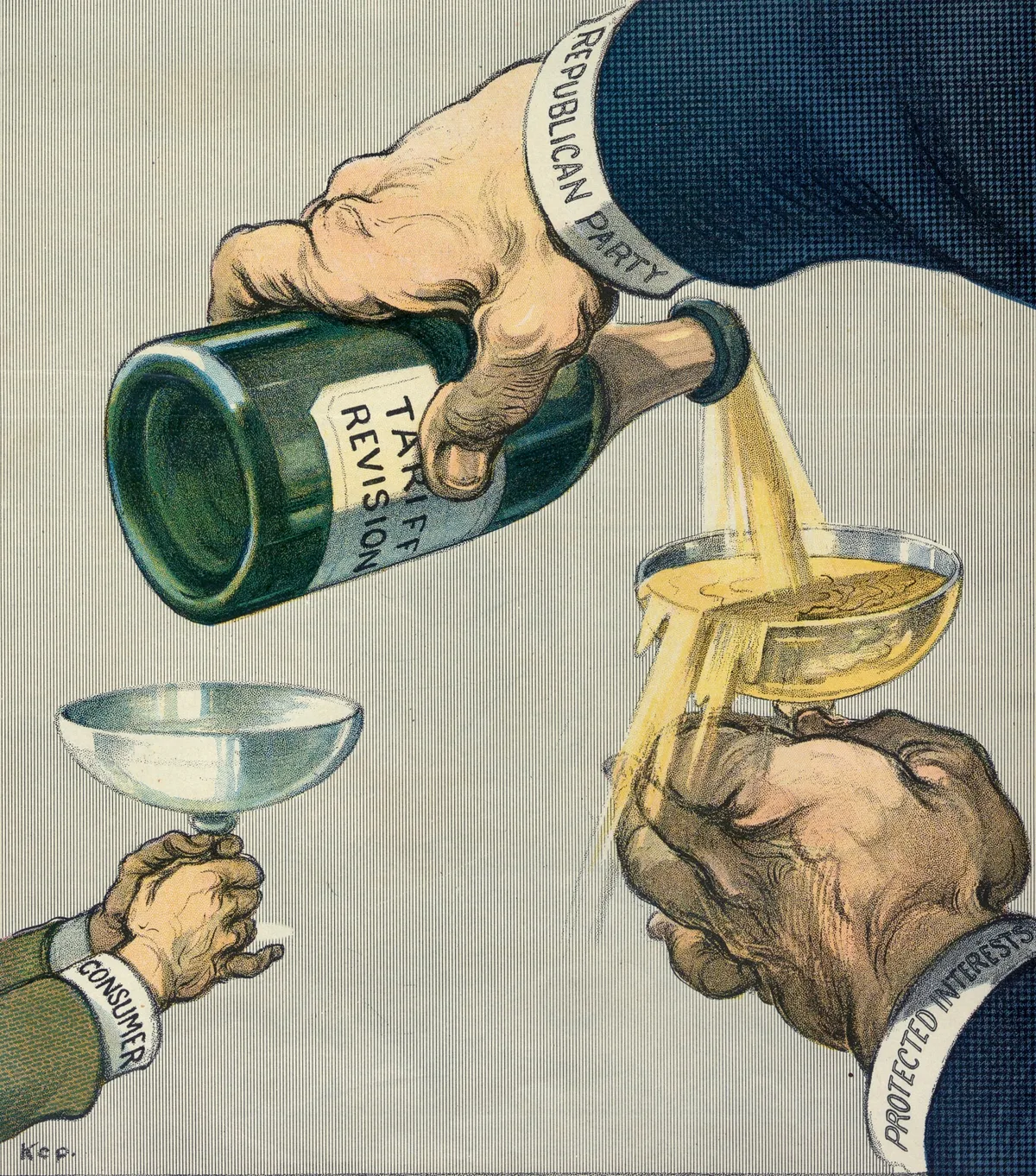
The reform adopted after the wrongful-conviction record mounted: the prosecution's file, with narrow exceptions for witness safety and ongoing investigations, is open to the defense from early in the case. Colorado's and Texas's post-scandal reforms, Virginia's 2020 statute, and Michigan's and Illinois's rewrites are the leading examples, with New York's discovery reform of 2020 — requiring broad early disclosure as a condition of plea-readiness — the most contentious, prompting prosecutor-led amendment in 2022 that restored judicial discretion over timing. The reform fights track a structural fact: early disclosure trades trial-surprise advantage for earlier, better-informed pleas, which is a trade defense lawyers want and some prosecutors resist.
What happens when disclosure is violated?
The remedies are weak by design. Suppression of Brady material supports reversal only on materiality showings; late disclosure supports continuances more often than exclusion; and disciplinary consequences for violating prosecutors are rare — the documented record of courts declining to discipline, and the reversal in Connick v. Thompson (2011), which held a prosecutor's office not liable for a single Brady failure absent a pattern of inadequate training, frames the enforcement vacuum. Some jurisdictions created discovery-oversight procedures or standing disclosure orders; the structural answer most states have chosen is procedural reform rather than liability.
What about the defense's obligations?
Reciprocal discovery exists: alibi and insanity defenses trigger disclosure of witnesses and experts, and Rule 16(b) covers defense-held documents and experts. The asymmetry remains — the state's file is where exculpation lives — and that asymmetry is the whole policy argument. What defendants and families should know in practice: request early, in writing, track delivery dates against the schedule, and treat any evidence arriving after plea cutoffs as a fact the court should know about on the record — because in this area of law the timeline, written down, is most of the remedy.