Plain accounts of how a system operates: who decides, on what evidence, within what deadline, and what recourse follows a refusal. Topics run from immigration procedure to complaints against public bodies. Intended for people navigating a process themselves and for reporters who need the mechanics straight.
A 2024 order meant to roughly halve prison and jail calling costs has been replaced with higher interim rate caps, after sheriffs, telecom vendors and Republican attorneys general pushed back on the original rules.
Employers steal billions from paychecks annually — more than all street robberies combined, per the standard estimate — and recovery runs through three channels with different clocks.
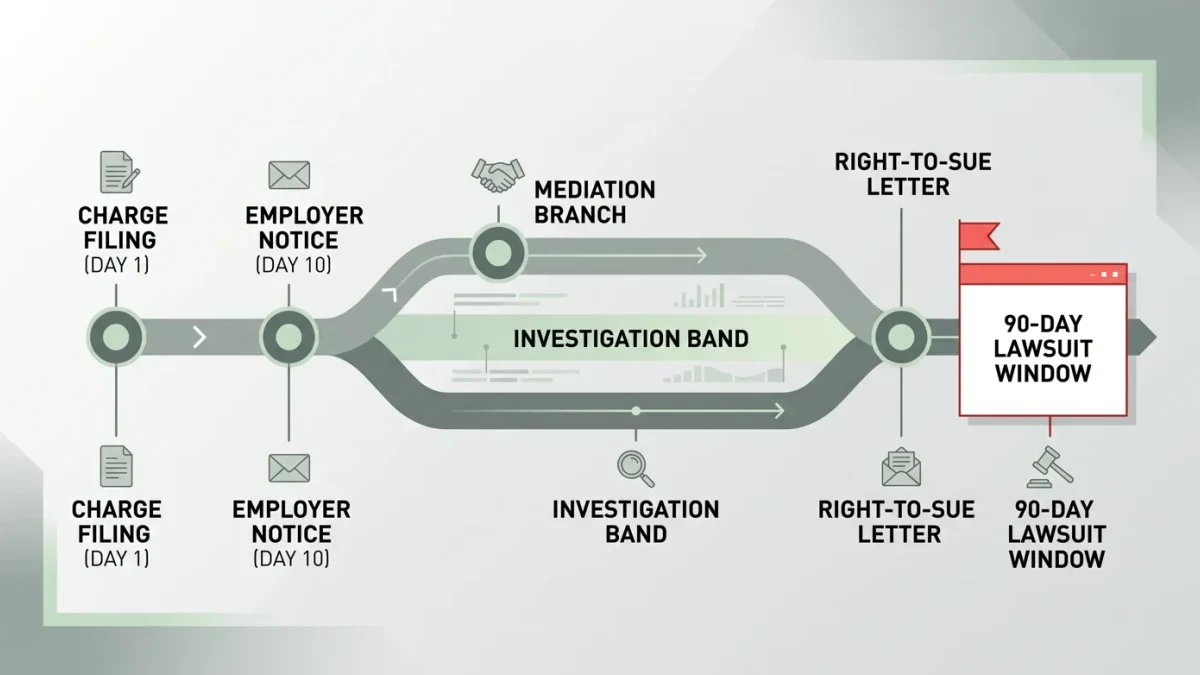
A Title VII lawsuit must pass through the agency first — filing a charge, mediation offers, investigation, and a right-to-sue letter that starts a 90-day clock.
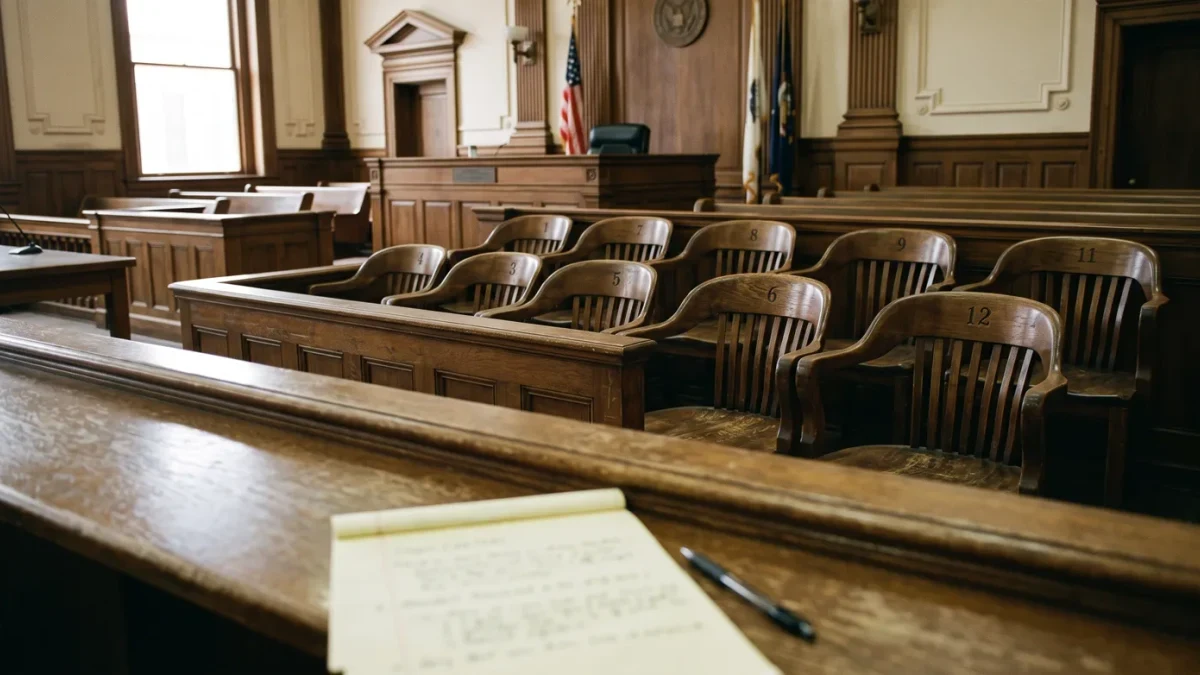
Voir dire, peremptory strikes, and the Batson rule against striking jurors by race define who judges the case — and the data shows the rule is honored unevenly.
Brady and Rule 16 define the floor, and the reforms after documented wrongful convictions — open files, timelines, sanctions — are the states' attempts to fix what the floor left broken.