The federal pattern-or-practice pipeline that produced consent decrees has been scaled back and redirected under the current Justice Department, which in 2025 announced closing or repurposing reform investigations — leaving the operative accountability machinery at the state and municipal level. That machinery has three documented components: state laws forcing disclosure of police disciplinary records, the civilian oversight agencies that investigate complaints, and the settlement and payout data that show what misconduct costs. Per reporting on the DOJ's 2025 reorganization and its memos narrowing consent-decree activity, the departments that lost federal oversight are, in several cities, the same ones whose own oversight boards were gutted in the same period — Los Angeles's inspector-general cuts being the most-cited example — which makes the disclosure laws the load-bearing reform.
What did the disclosure laws change?
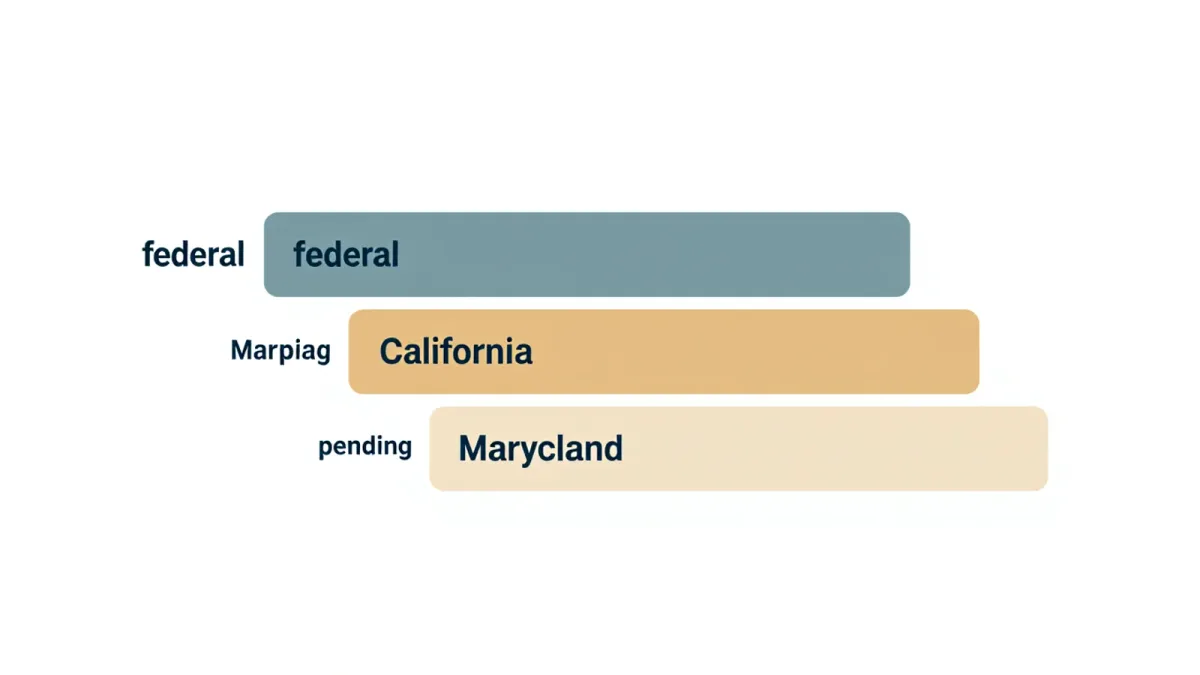
Before 2019, most states treated officer disciplinary files as confidential personnel records — California's blanket secrecy statute, SB 396-era law, was the symbol. New York repealed section 50-a in 2020; California's SB 16 and SB 1421 opened sustained findings of serious misconduct and fired-officer records; and a wave of other states from Massachusetts to Maryland limited the confidentiality shield. Investigative projects built on the newly opened files — the Invisible Institute's Citizens Police Data Project in Chicago, and the public databases assembled in New York and California — documented what secrecy had hidden: repeated sustained complaints concentrated among a small share of officers, consistent with the research literature's long-tail finding, and fired officers rehired by other departments, the wanderers problem that decertification reform addresses.
What are decertification databases?
The state-by-state licensing answer: officers' certificates can be revoked for misconduct, and a national registry — the database Congress directed in the 2022 executive action implementing the George Floyd Act's surviving provisions — keeps revoked officers from being rehired across state lines. Before the national push, some states had no decertification authority at all and no records shared; the registry's implementation, and the state laws feeding it, are the structural fix that survives political cycles, since licensing boards are not prosecutors.
What does the settlement data show?
Large sums, unevenly published. Cities including New York, Chicago, Los Angeles, and Minneapolis publish liability payouts — data that researchers and journalists have used to show the concentration pattern: a small share of incidents and officers generating a large share of dollars, per analyses of Chicago and Chicago-adjacent payout series. The policy argument the data feeds is insurance — the private carriers that now price police liability for small departments and sometimes demand reforms as a condition of coverage, a mechanism documented in the risk-management literature as the accountability of last resort where voters do not see the bill. Critics of settlement-driven accountability note the loop's weakness: taxpayer funds pay, and the officer's employment is a separate track.
What is left of federal oversight?
Structural, mostly. The consent decrees still running continue under court supervision regardless of the division's appetite for new ones — judicially enforced orders do not need the Justice Department's enthusiasm — and the 2025 reorganization's own approach, pattern-or-practice inquiries aimed at bias against officers and at local prosecutorial policies, redirects rather than eliminates the tool. Civil private litigation under 42 U.S.C. § 1983 continues as the individual-level backstop, filtered through qualified immunity and municipal-liability doctrine; the aggregate lesson of the last decade's filings, compiled in the empirical literature, is that cities pay while individual accountability stays rare, which is exactly what the state-level reforms are built to change.
What should readers watch?
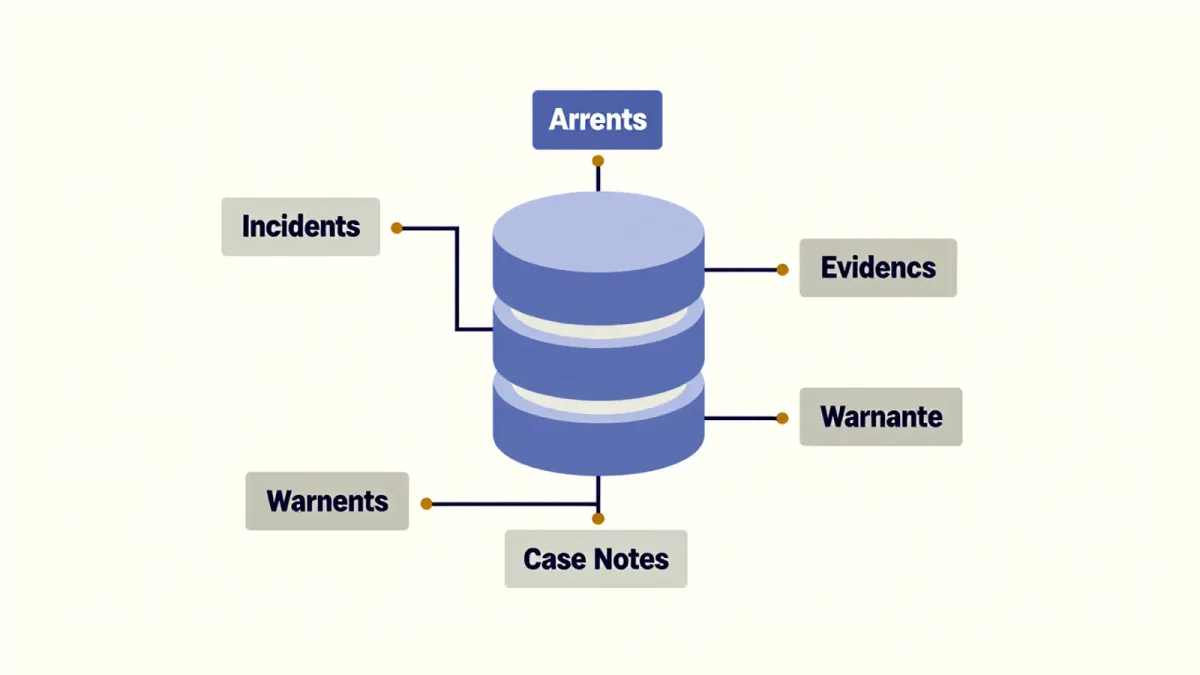
The registry's data quality as states connect to it; the durability of the open-records laws, several of which face repeal attempts backed by police associations; and the next negotiation cycle for the oversight boards, whose budgets are the truest measure of a city's stated commitments. The disclosure infrastructure — records, payouts, certifications — is now the accountability system's operating layer, and its maintenance is a budget line, not a headline.