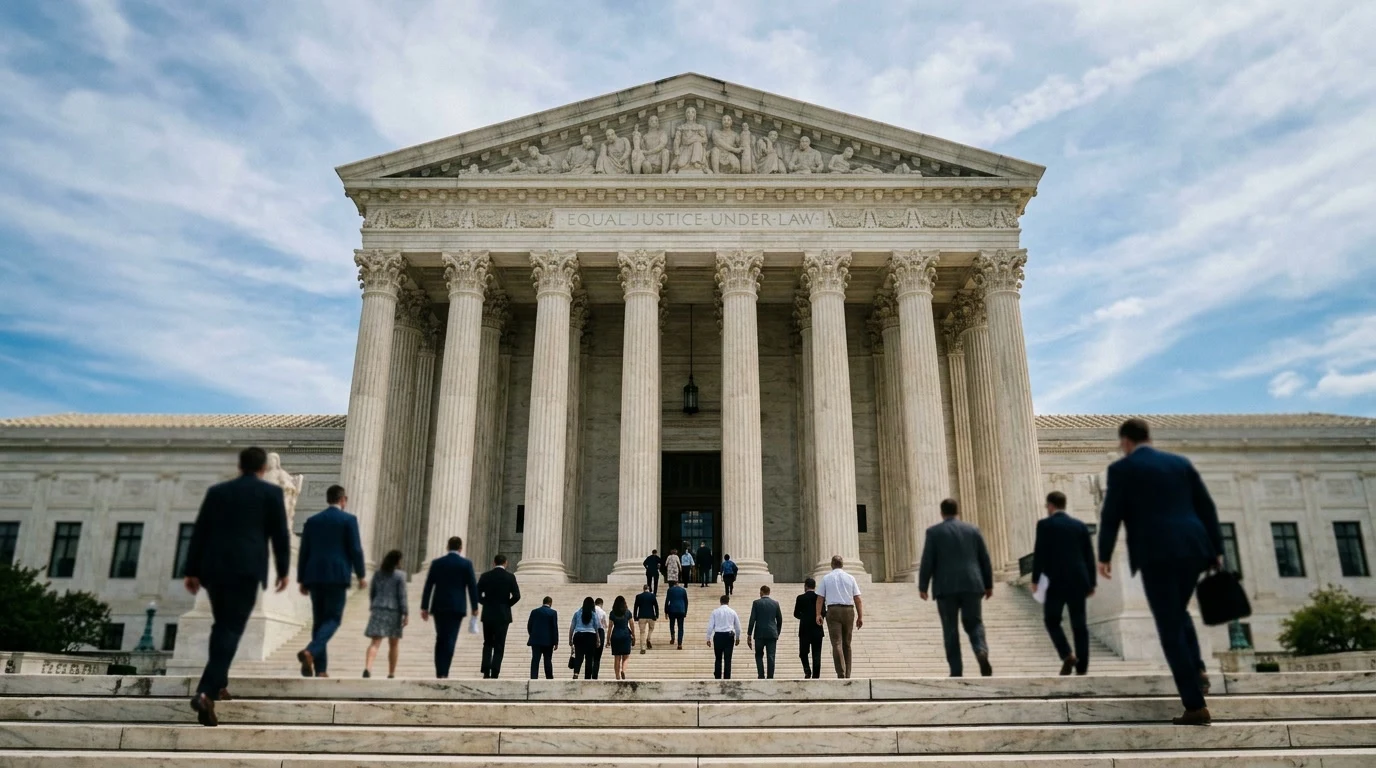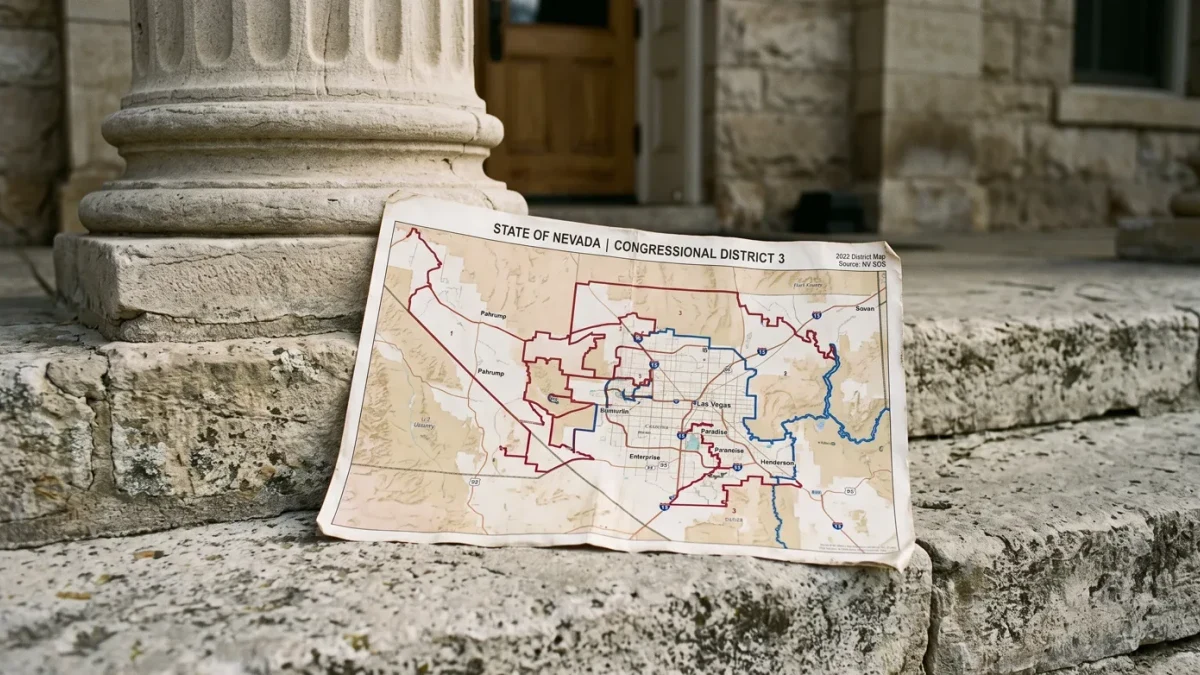
The Supreme Court, in a 6-3 ruling in the Louisiana redistricting case Callais v. Louisiana decided during the 2025-26 term, weakened Section 2 of the Voting Rights Act — the provision that since 1982 has allowed challenges to voting maps that dilute minority voters' strength. Per analyses published by SCOTUSblog in May 2026 and by the Campaign Legal Center, the ruling raised the bar for plaintiffs establishing vote dilution under the framework of Thornburg v. Gingles, with the majority reading Section 2's equal-openness command to require a substantially higher threshold showing than three decades of lower-court practice had applied. Civil-rights organizations called it the deepest cut to the statute since Shelby County v. Holder (2013) disabled preclearance.
What was the case about?
The dispute began over Louisiana's congressional map. After litigation in which courts found the state's map likely diluted Black voters' votes — Black residents are roughly a third of Louisiana's population, and the map had long contained one majority-Black district of six — the legislature drew a second majority-Black district, which a group of non-Black voters then challenged as an unconstitutional racial gerrymander. The Supreme Court took the case, consolidating it with the state NAACP conference's cross-appeal, and heard argument in March 2026. The decision that followed addressed both the racial-gerrymander claim and, centrally, what Section 2 requires before a state must draw a majority-minority district.
What did the majority change?
Two holdings drive the practical effect, per the Court's opinion and the analyses that followed it. First, on the Gingles preconditions, the majority tightened what plaintiffs must show to prove that a majority-minority district is legally required — including how compactness and racially polarized voting are demonstrated — and made clear that race cannot predominate in the drawing of remedial districts without strict scrutiny. Second, the opinion treated Section 2's results test as more limited: courts should not order race-conscious districts except where the Gingles preconditions are met with the newly required rigor, and states retain deference in choosing among maps. In dissent, the three liberal justices argued the ruling converts Section 2 from a results standard into something plaintiffs can rarely satisfy, reversing Congress's specific 1982 instruction.
What happens to the map litigation already running?
The immediate effect lands on pending cases in the pipeline: challenges to state legislative and congressional maps in the South and Midwest filed under the old standards must now satisfy the new ones, and several plaintiffs' organizations signaled they would reassess dockets rather than litigate claims the ruling forecloses. Louisiana's own second majority-Black district — the litigation's origin — faces renewed legal jeopardy, and states that drew remedial maps under court pressure may seek to revisit them. The ruling also interacts with the Eighth Circuit's bar on private Section 2 suits: enforcement authority and enforcement standards both narrowed in the same period, compounding the statute's reach.
What does the political map look like after?
Voting-rights analysts, including the Brennan Center's redistricting team, note the decision arrives before the post-2030-census redistricting cycle with no preclearance (post-Shelby), a narrowed Section 2, contested private-enforcement, and a Congress that has not restored any of it. State courts and state constitutions — state equal-protection and fair-maps provisions in New York, North Carolina, and Ohio litigation — become the remaining venues for map challenges, a shift state-court advocates had already begun preparing. The Campaign Legal Center, which argued in the case, urged legislation responding to the ruling; no such bill has a path in the current Congress.
What should readers watch?
The follow-on motions: which pending Section 2 cases survive remand, whether Louisiana's second district stands, and how lower-court judges — many of whom built two decades of precedent on the old framework — apply standards the majority described as consistent with precedent and the dissent described as a new regime. The practical stakes are seats: majority-minority districts have been the mechanism by which Black and Latino representation in Congress roughly tracks population share since the 1990s, and the ruling's authors and critics agree it will be harder to create new ones.