
Topic
How advocates can confront power imbalances in human rights work
A new book built on 150 interviews turns a long-running critique into concrete tactics for both sides of a global partnership.
A new book built on 150 interviews turns a long-running critique into concrete tactics for both sides of a global partnership.

The idea promises everyone a fair starting line. The argument is over where the line sits and who measures it.

Business credit files grow from payment records vendors report to bureaus like Dun & Bradstreet, Experian, and Equifax, then scored and read by lenders.

How the technology actually works, what it is legally treated as, and why the price moves so much.

Automation tends to take tasks, not whole jobs. That distinction decides who is exposed — and what to build next.
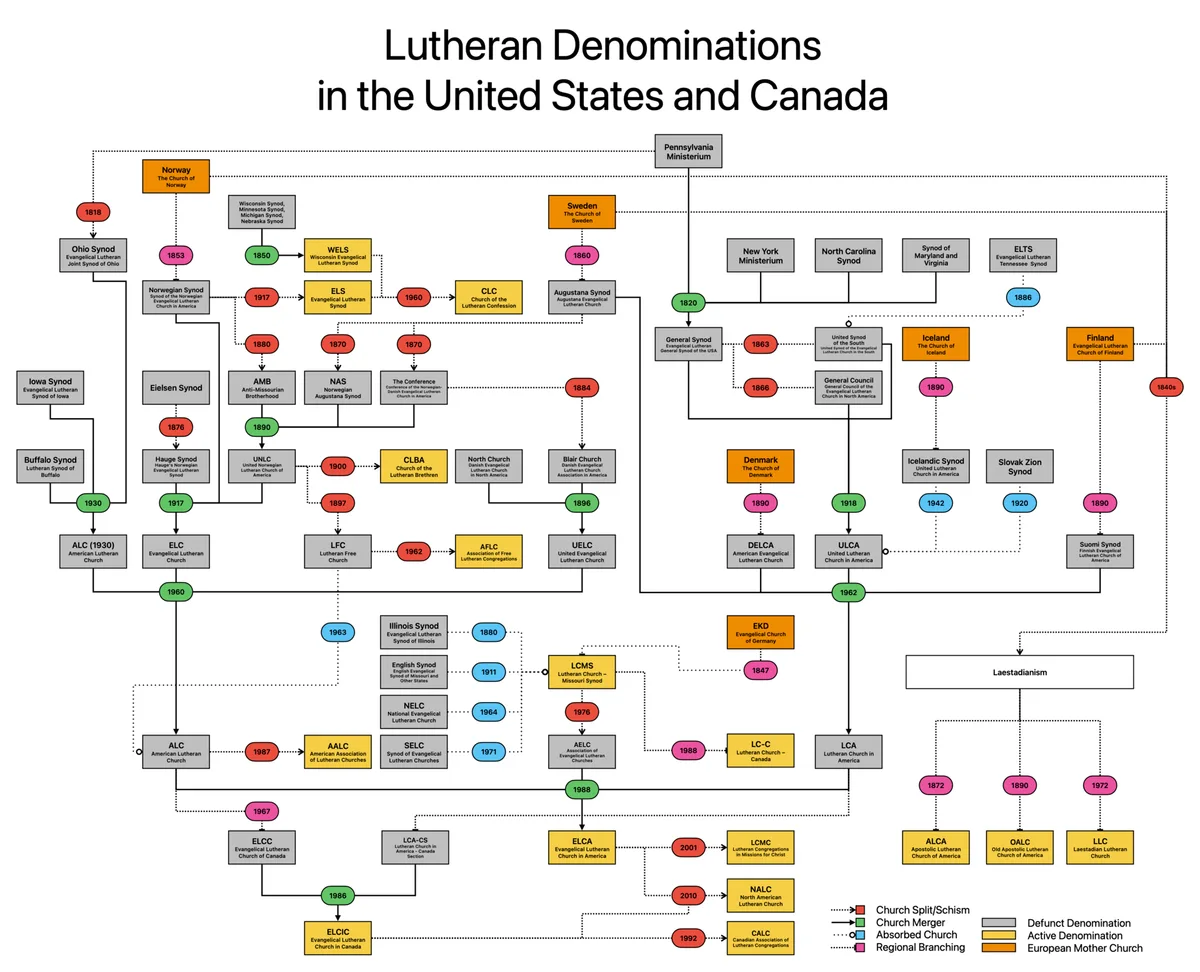
Affiliation patterns are changing, and the way researchers count them shapes what public institutions see.

Consent, not prohibition, is the legal default in most places. Here is where the line sits, and which tools actually move it.
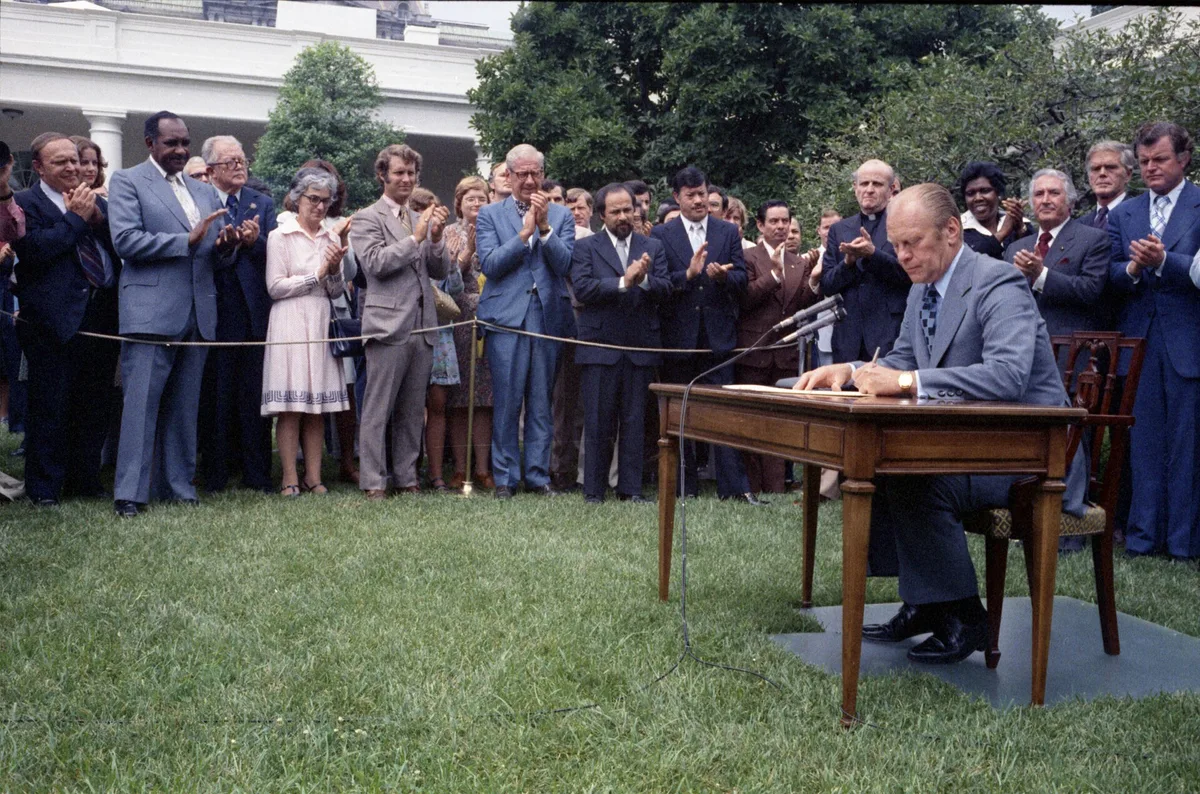
Registration deadlines, early voting windows, and polling place rules, explained in plain words from official state election sources.
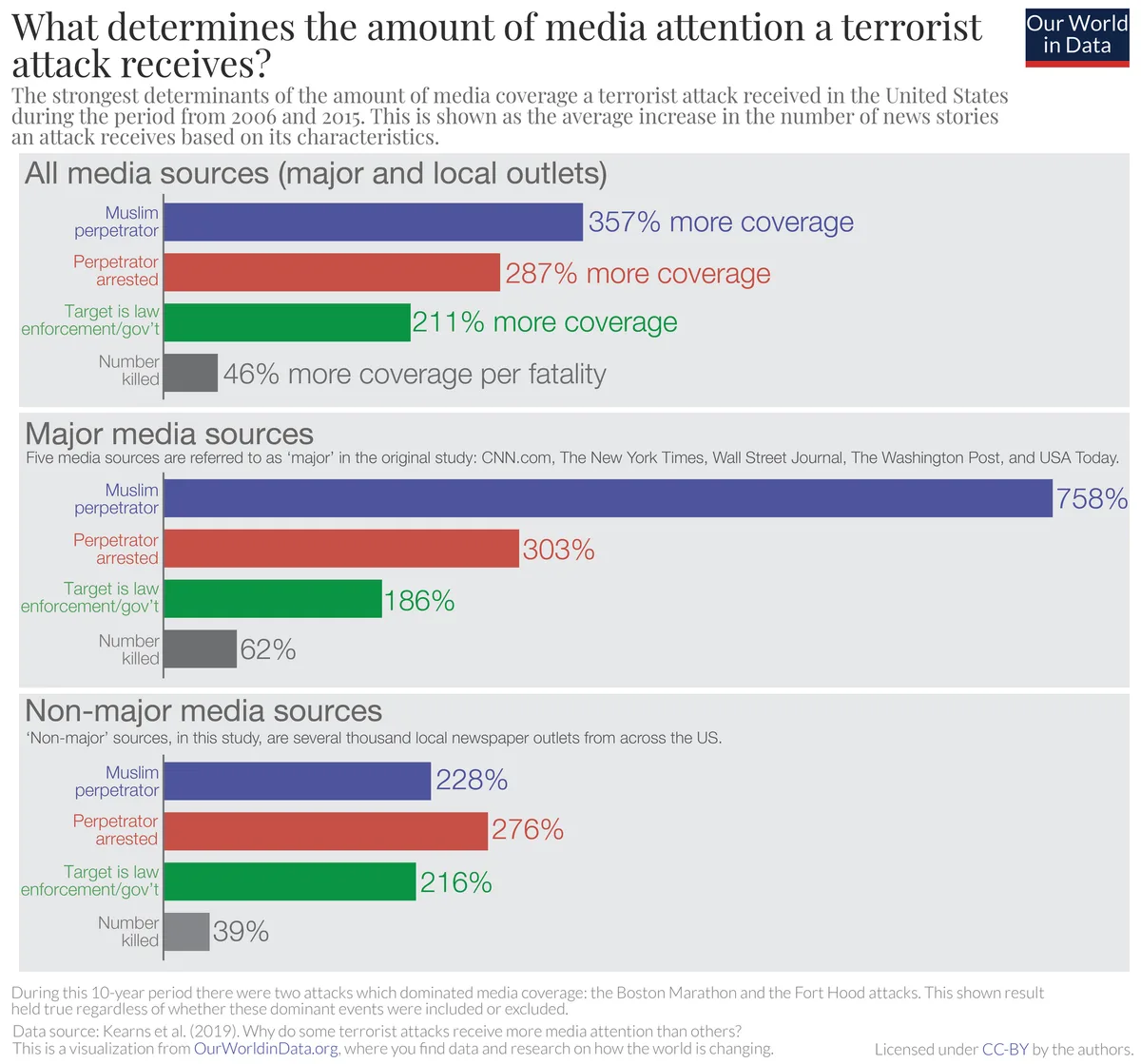
When a hometown paper closes, what disappears is not just coverage. It is a shared record that residents, courts, and councils could all check.